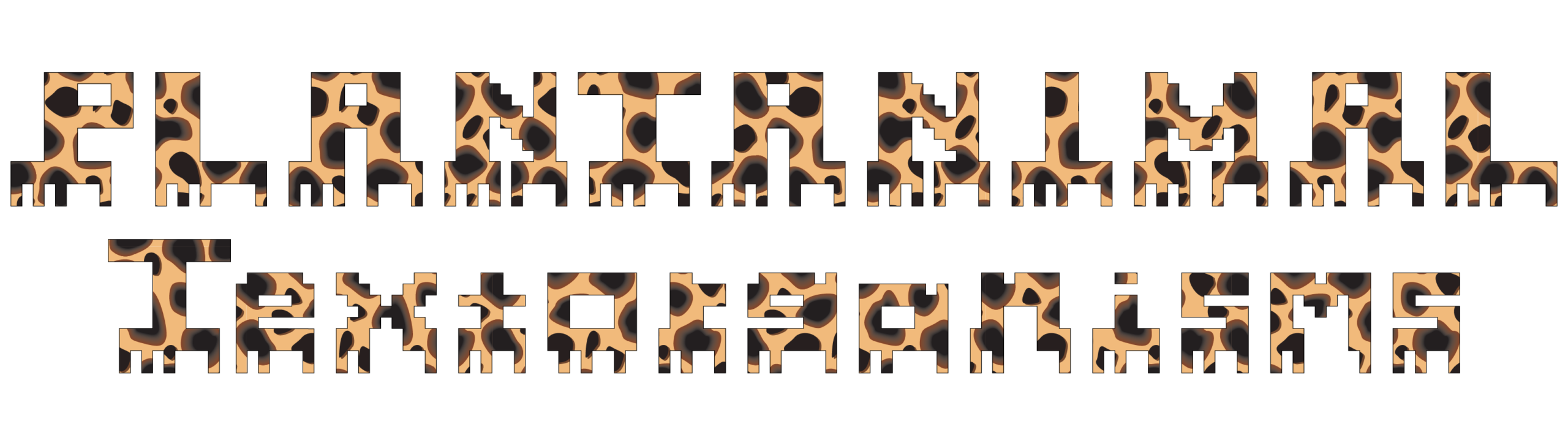
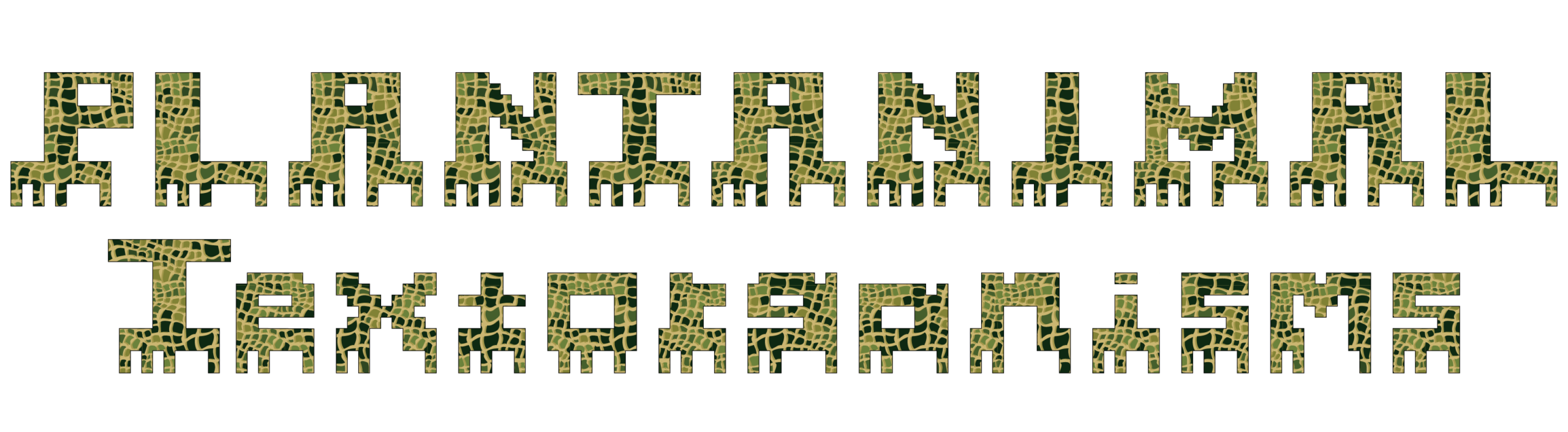
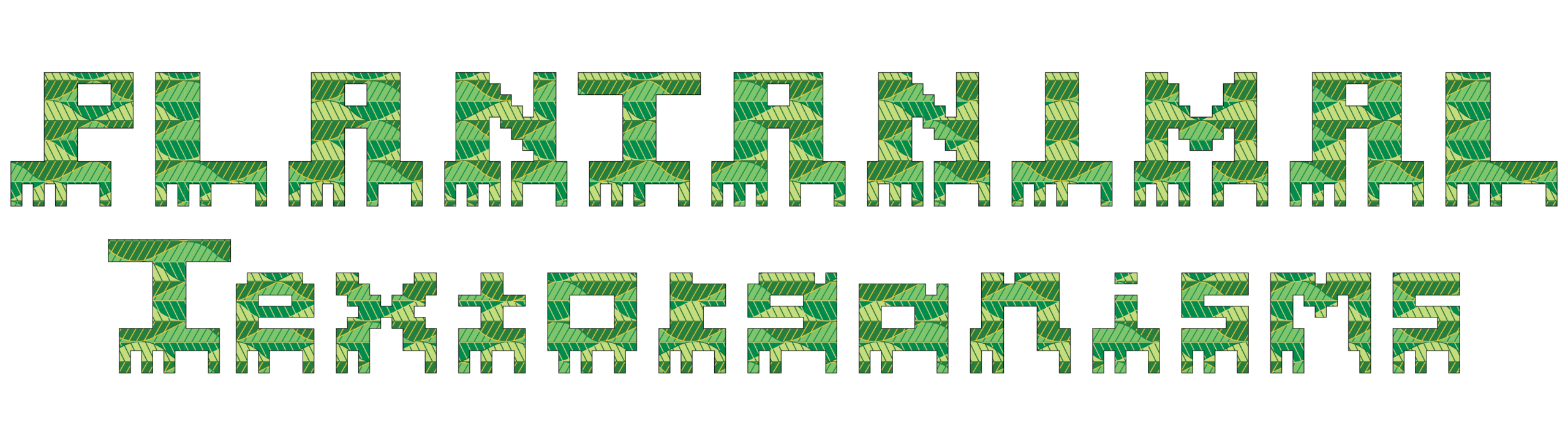

Plantanimal Textorganisms Typeface
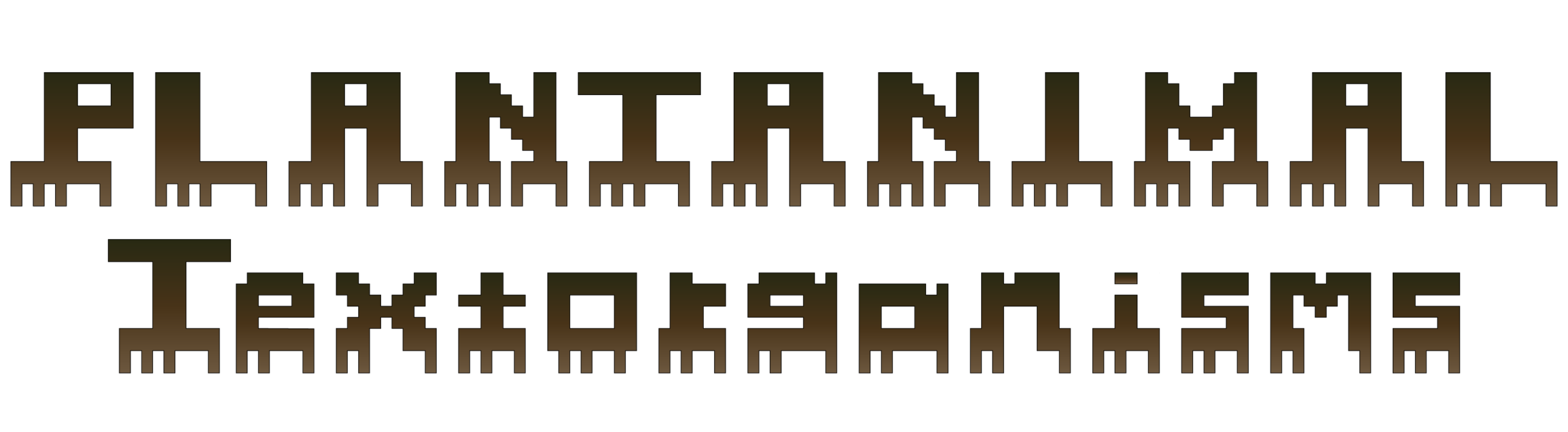
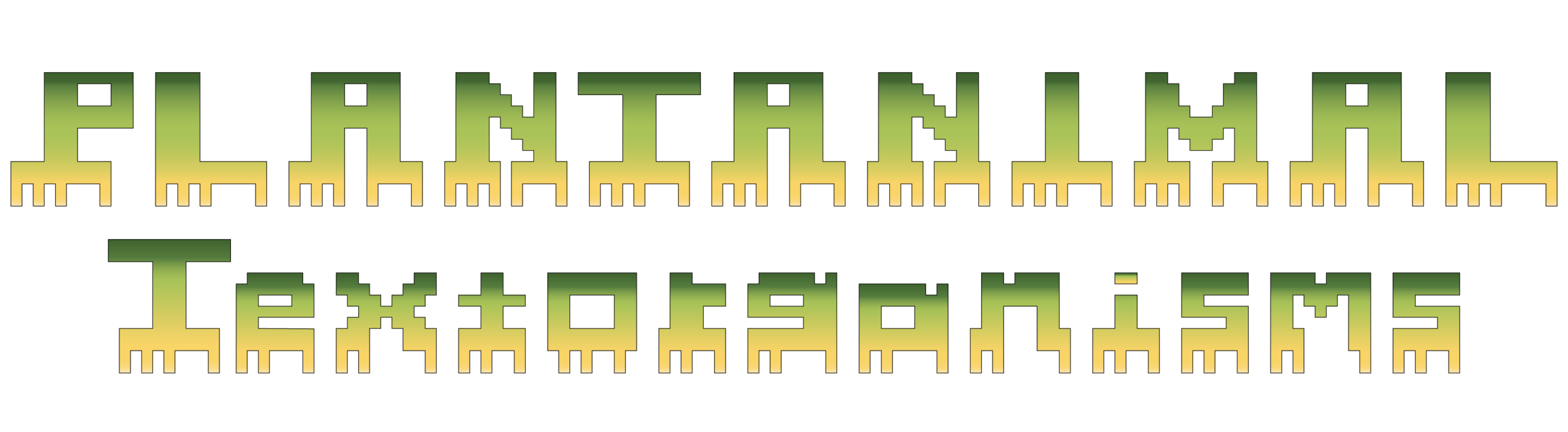
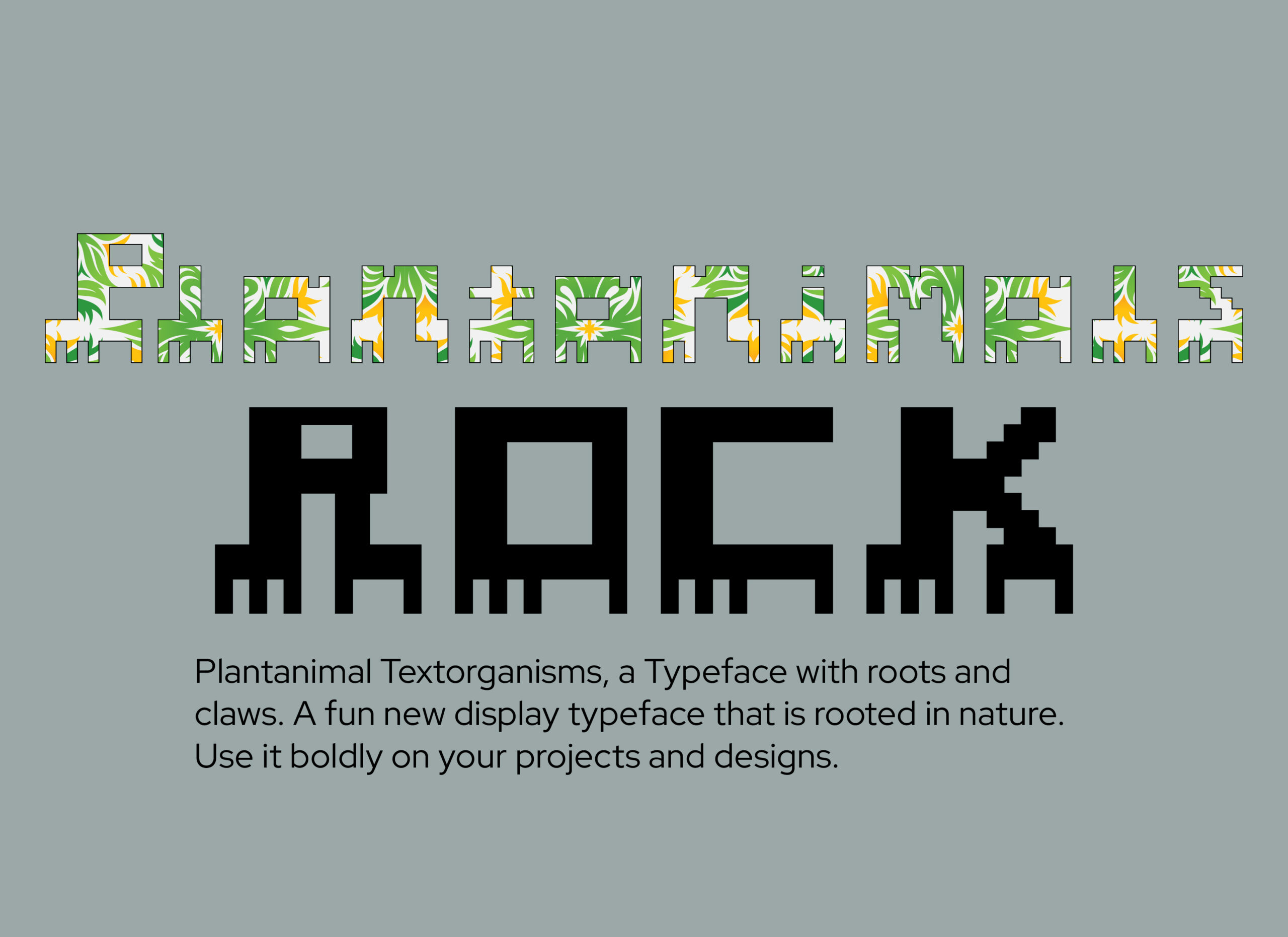
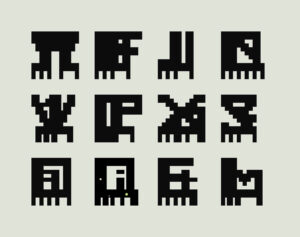
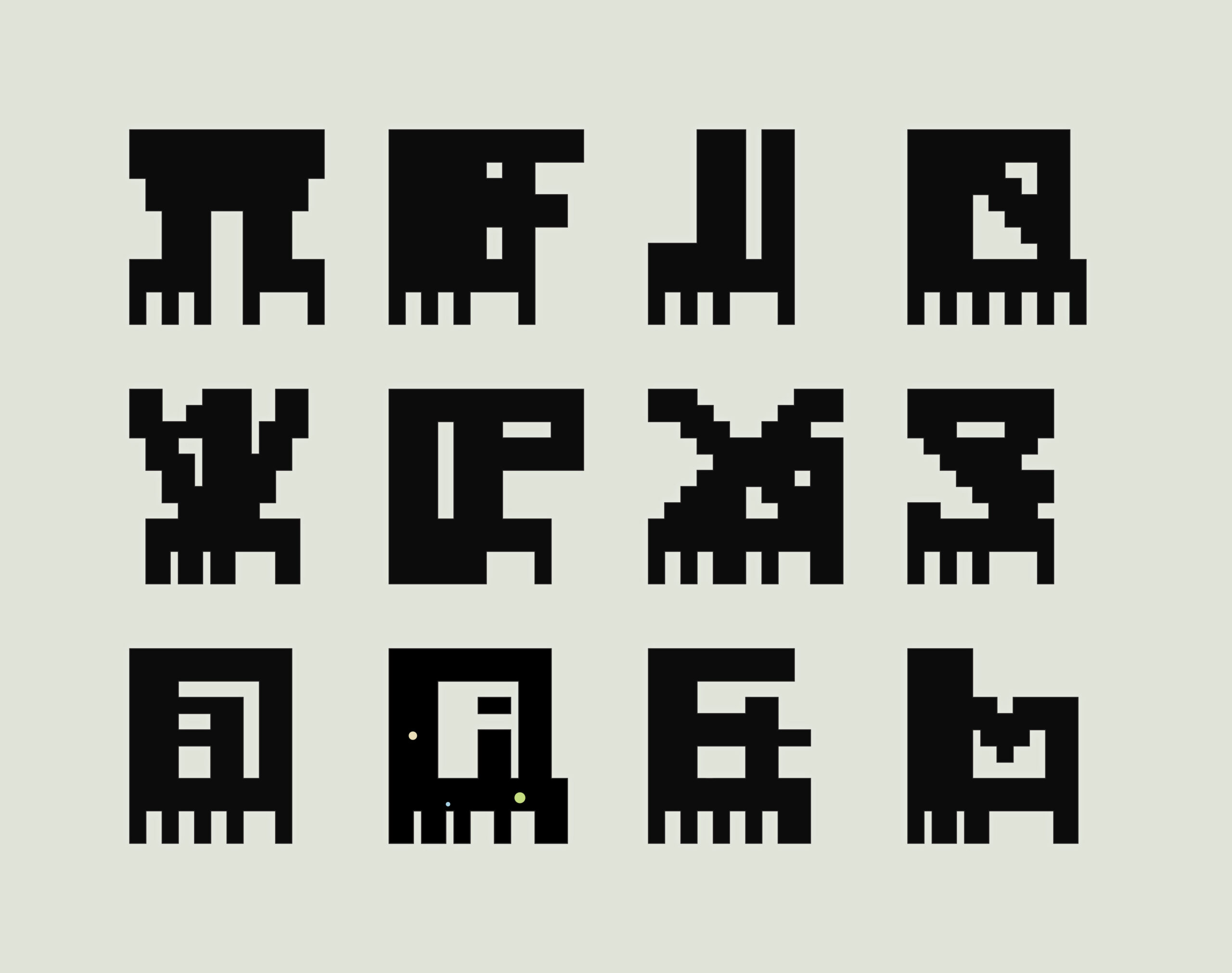
What if a typeface had taken its first slithers out of the primordial soup in the same manner that the rest of life on this planet had? What if it had evolved through time? What would it look like? How would it differ from typefaces that have been influenced by humanity? Using a grid system, plantanimal textorganisms evolved. With a nod to nature, and influence from pixelation and 8-bit artwork, it is a versatile display typeface.
Full Typeface
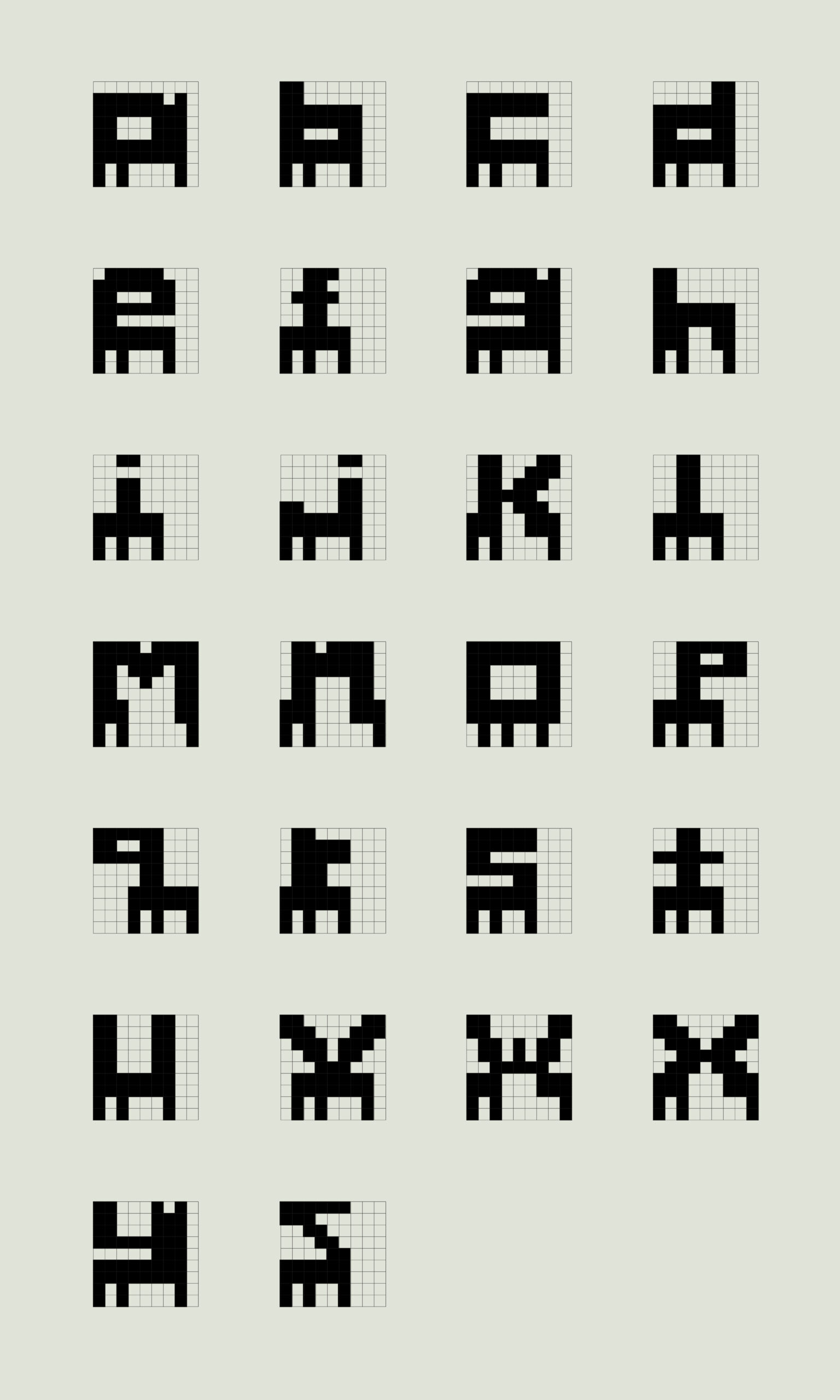
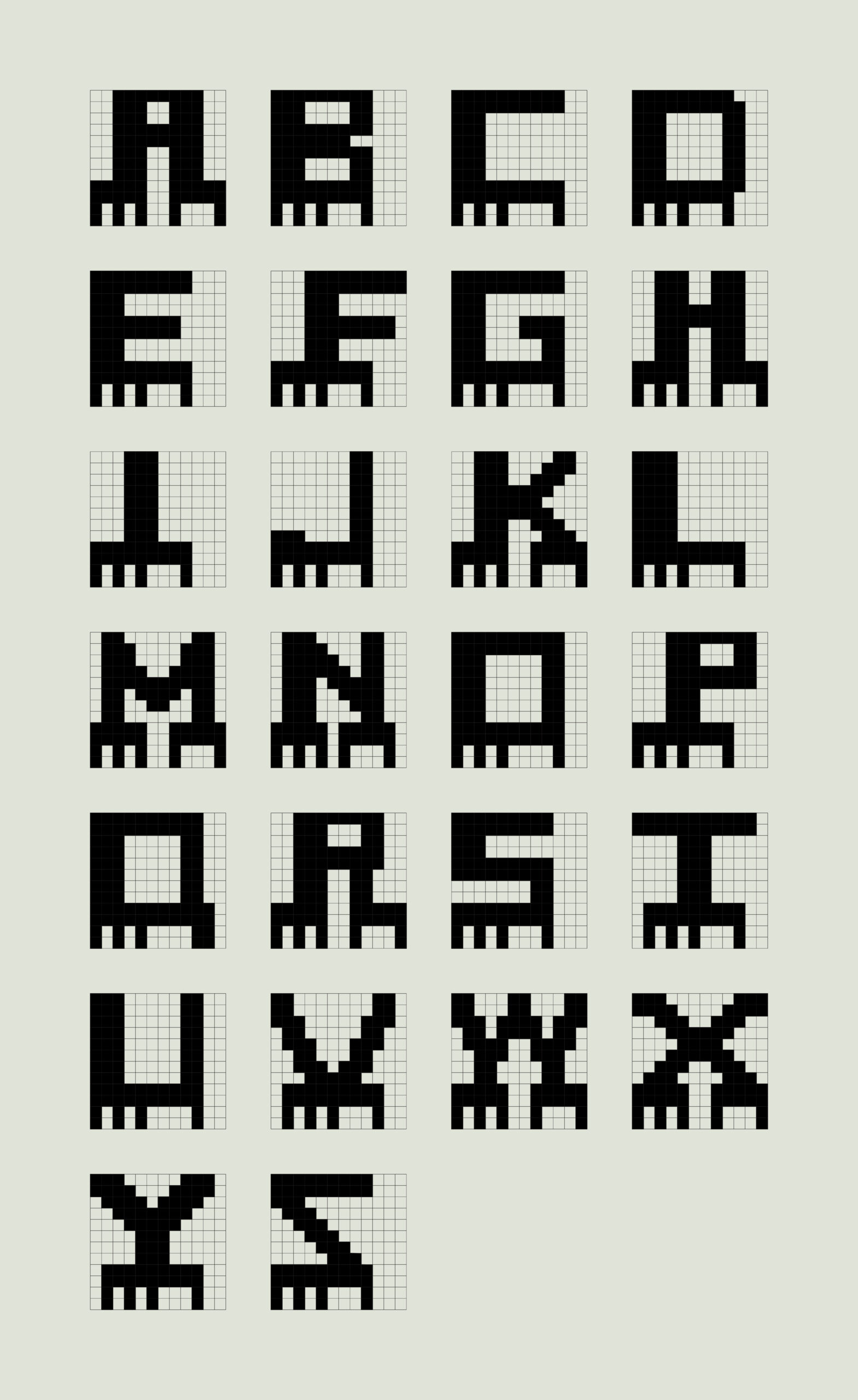
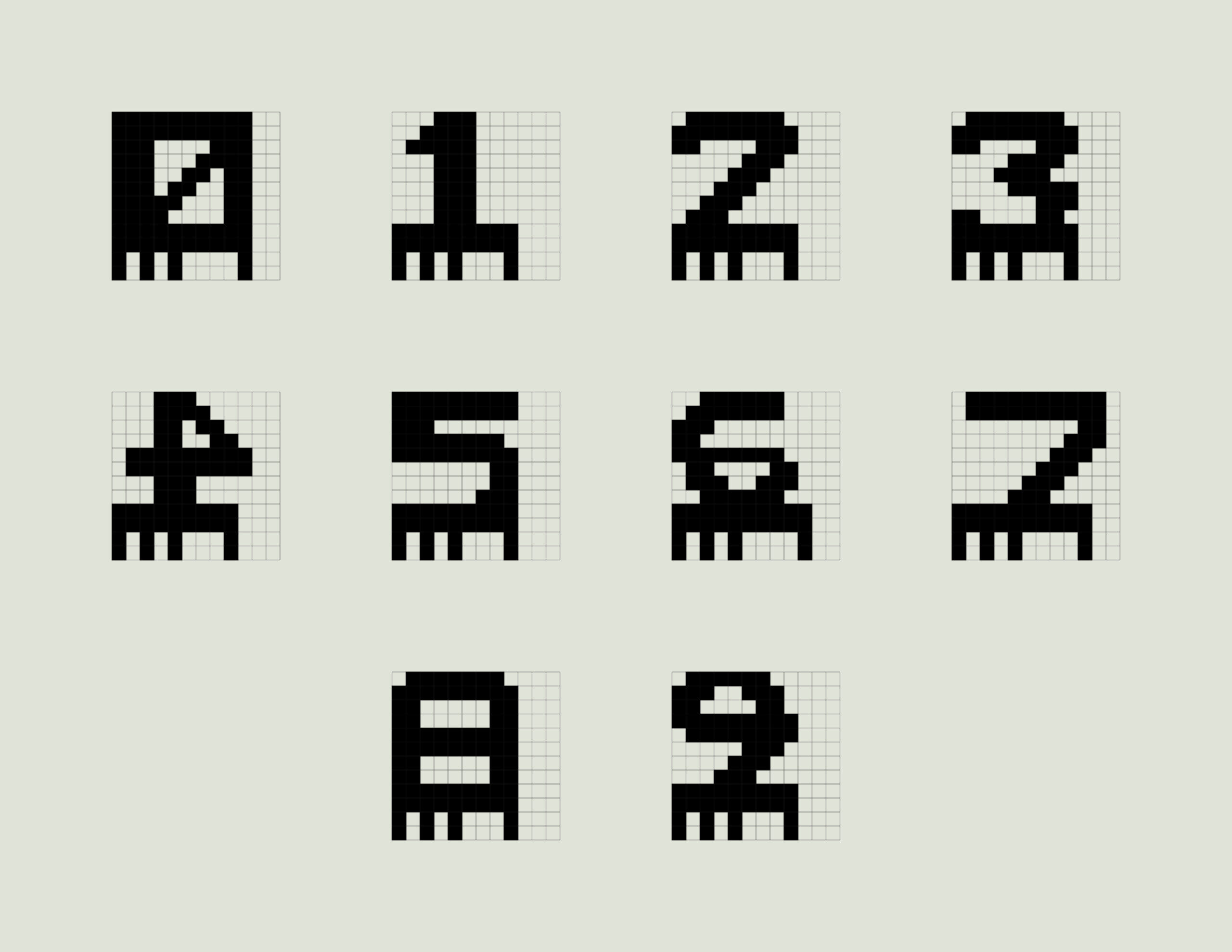
Background
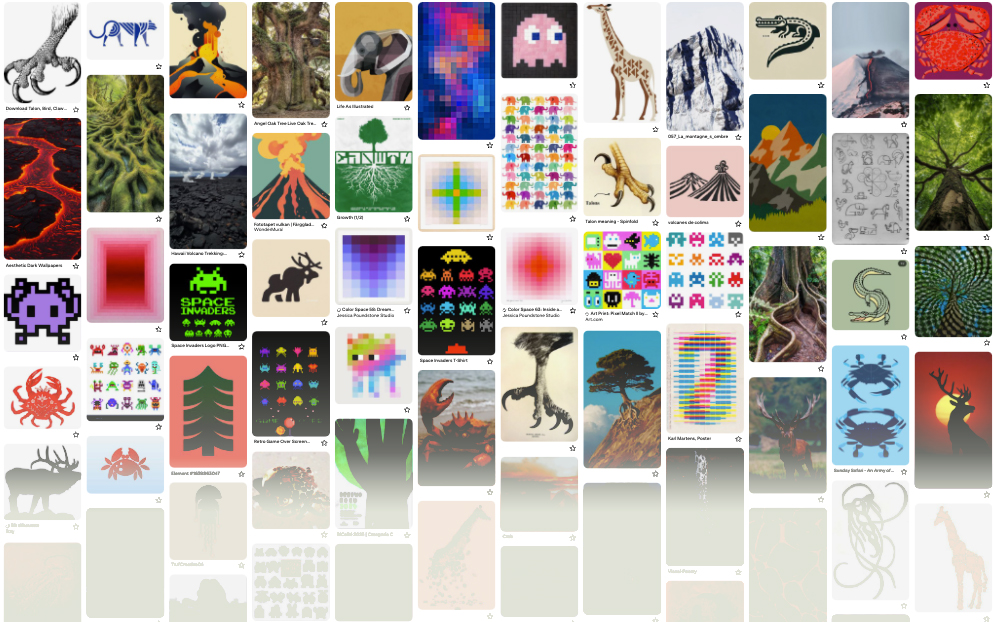
Plantanimal Textorganisms is a new display typeface that evolved out of a desire to create design that is more organic and influenced by the architecture of nature. It is inspired by the root systems of trees and plants, animals and their limbs and claws, and the earth. It also can be used as a retro typeface and is great for video games, technology and science fiction. This typeface is appropriate for work that is conceptually grounded in nature, video games, or a general fight the power sensibility.
Target Audience
People who challenge the status quo. Nature lovers. Animal lovers. Lovers of retro games and pixilated imagery. People who appreciate the way that technology, typography and nature have all evolved.
Design Problem
Working in a strict grid system, create a typeface that both expresses a perspective, and adheres strictly to the system. Create a typeface that is influenced by nature, rather than by humans or their architecture. Create a typeface that is versatile and can be used as a display font in serious or fun instances.
Design Process
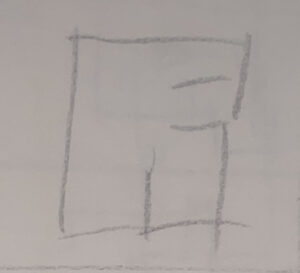
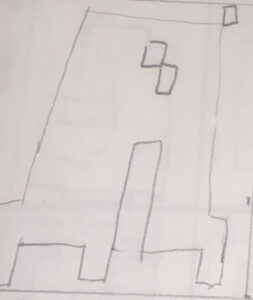
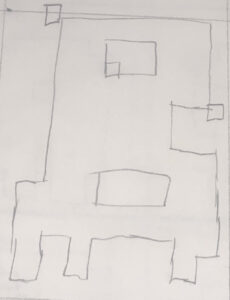
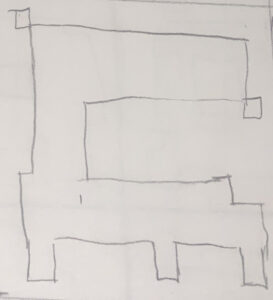
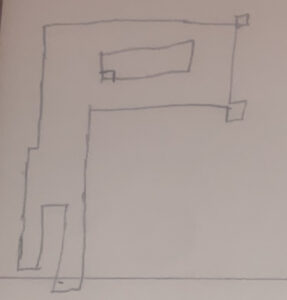
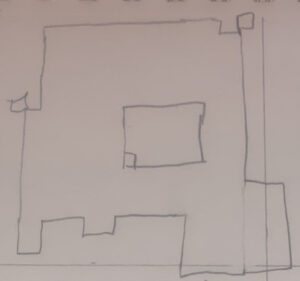
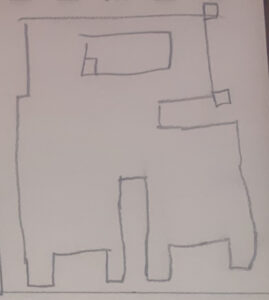
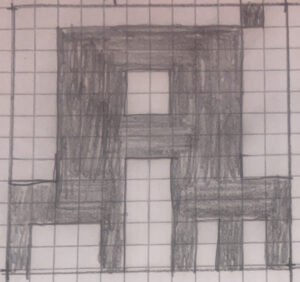
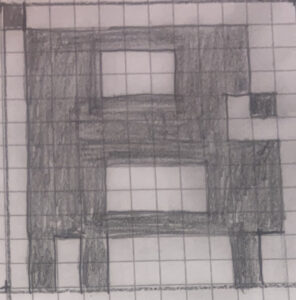
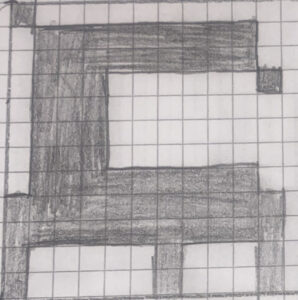
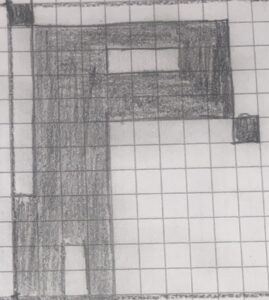
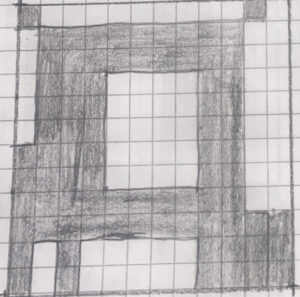
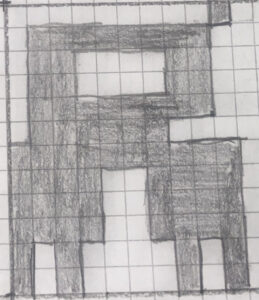
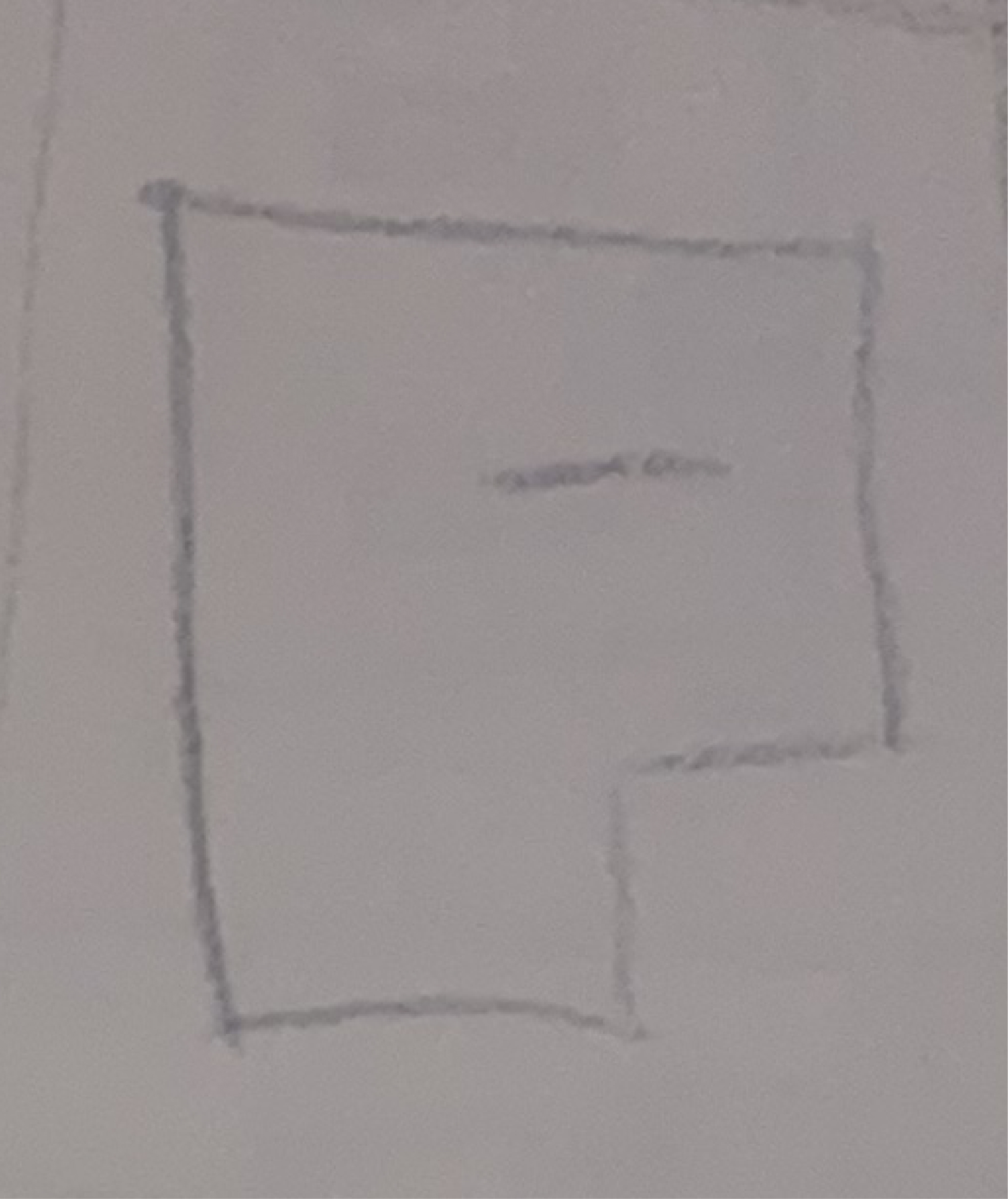
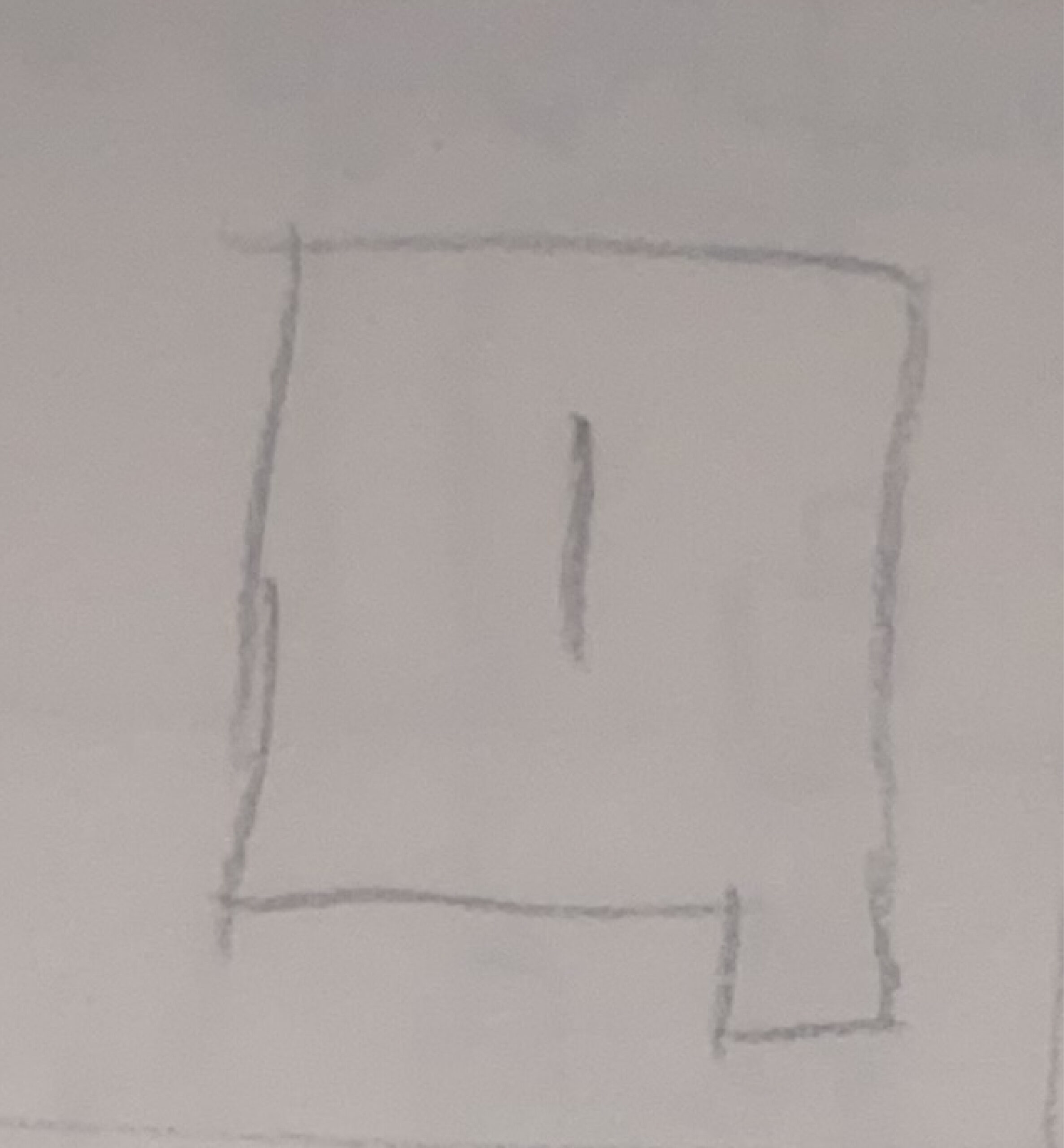
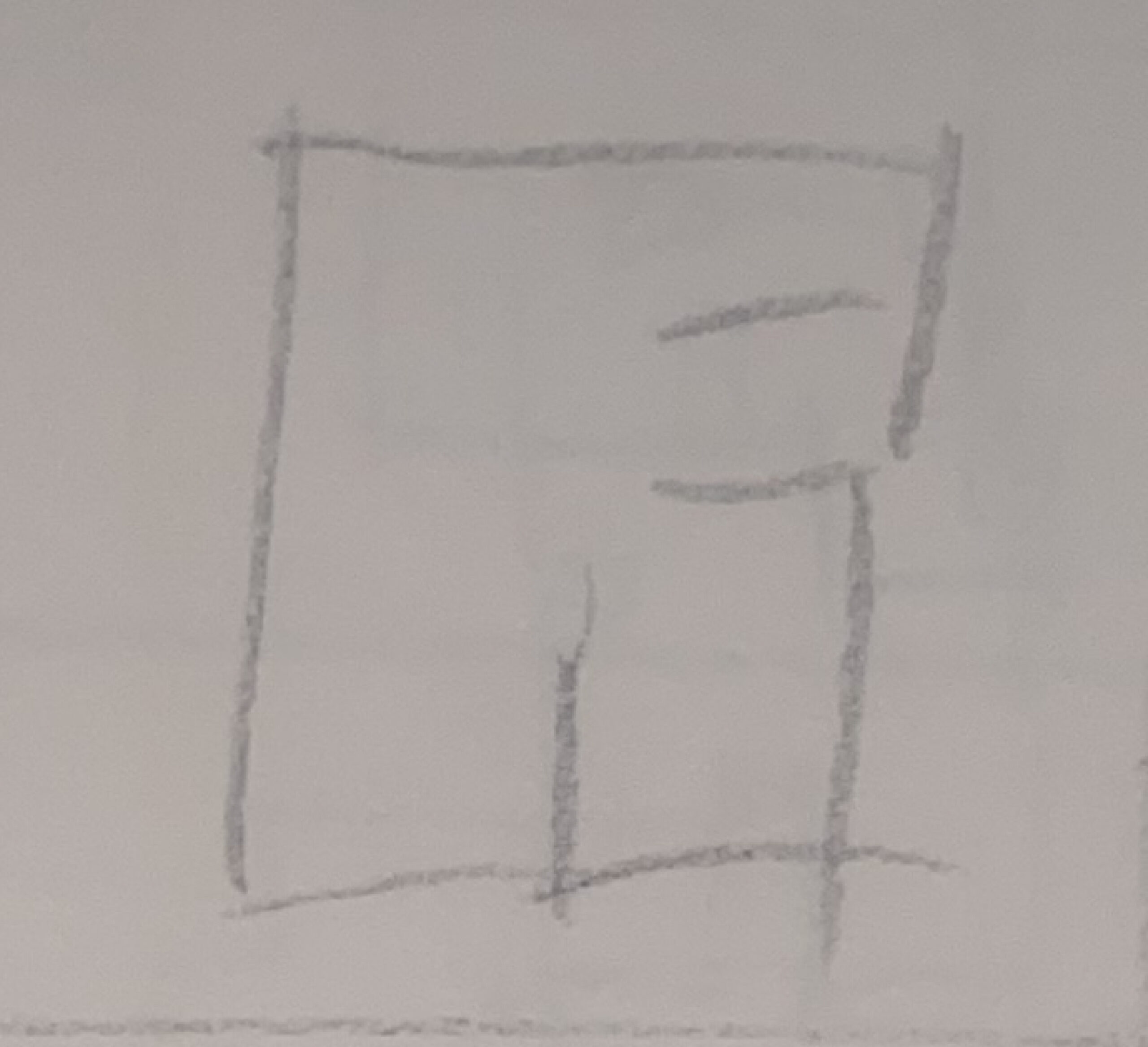
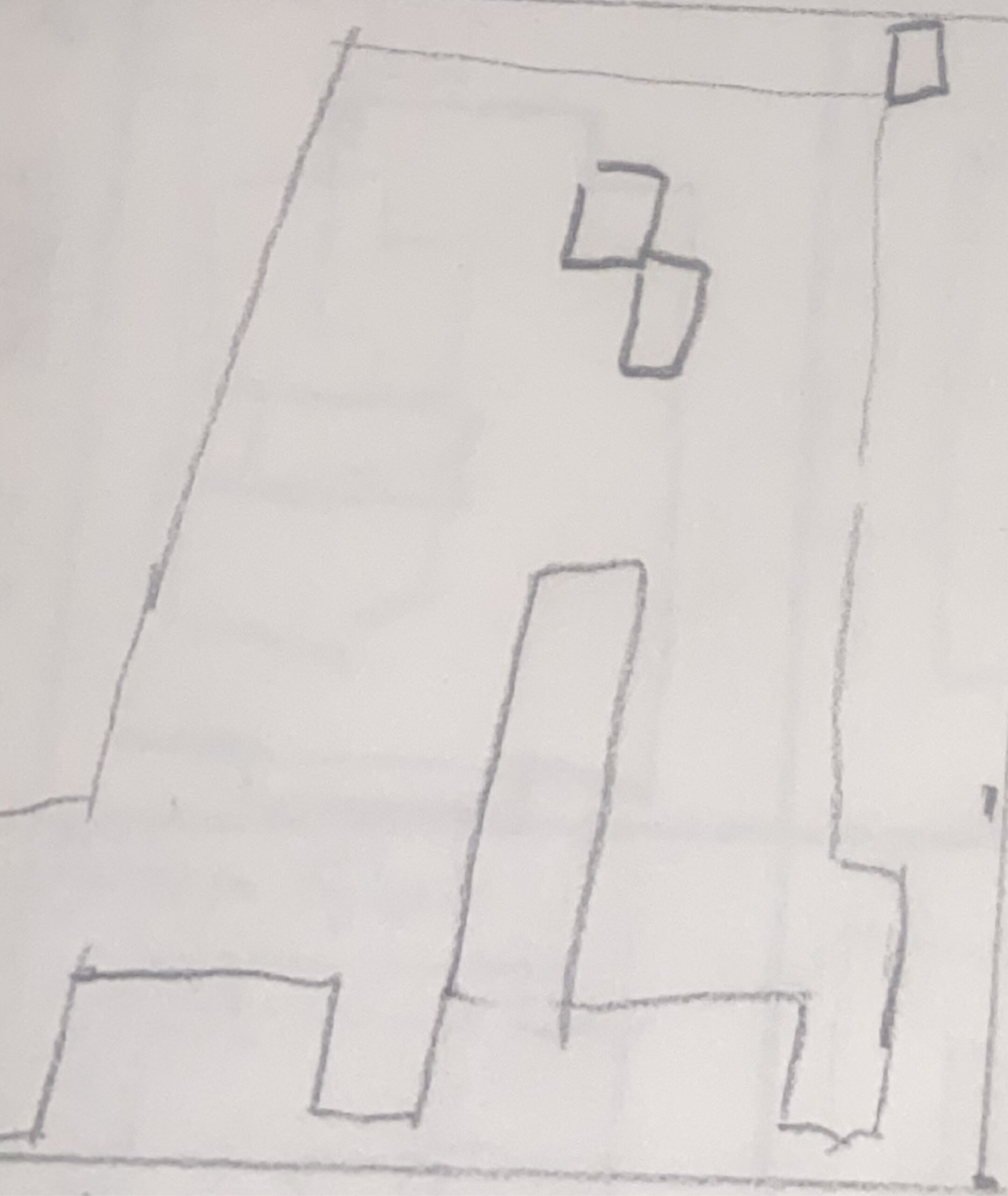
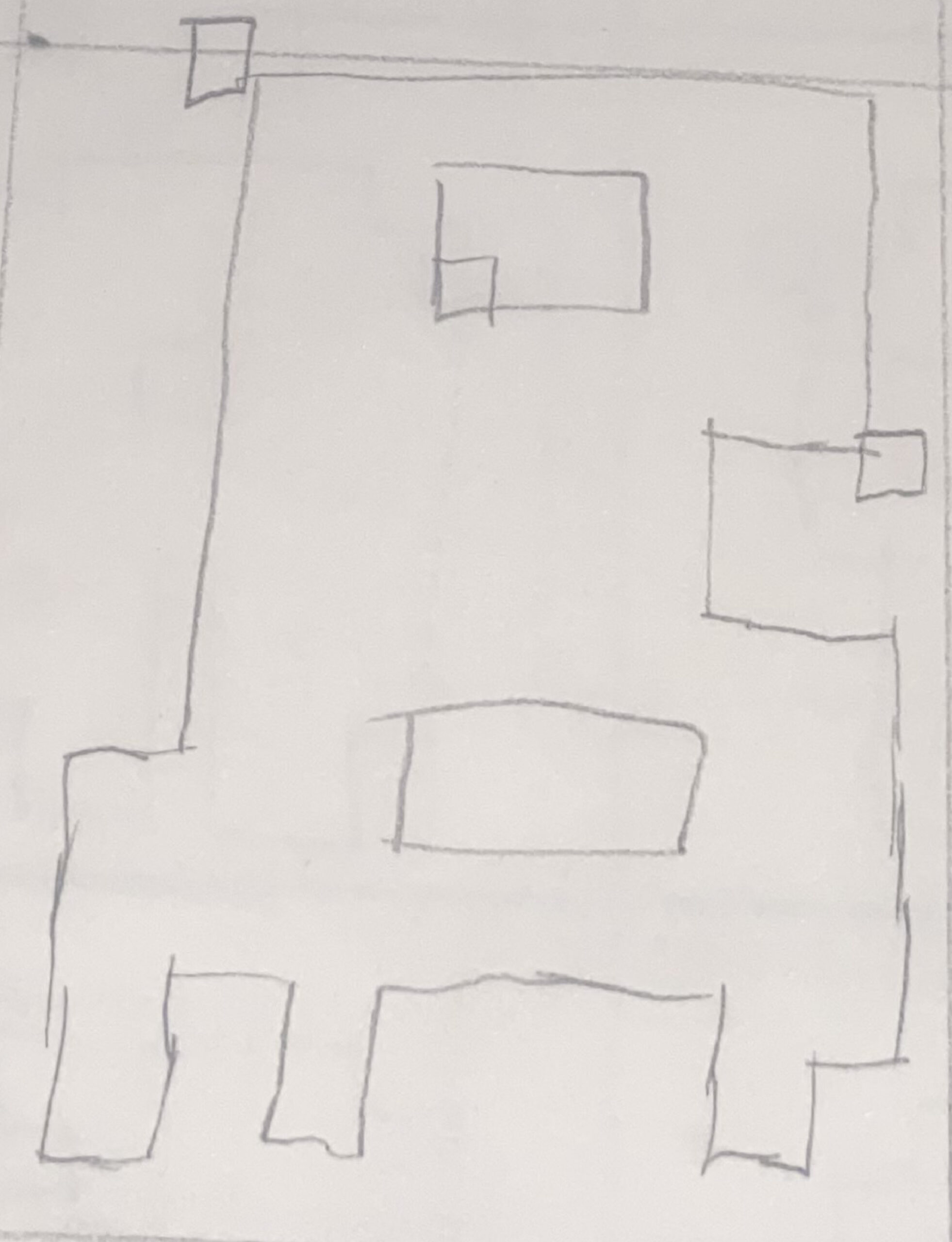
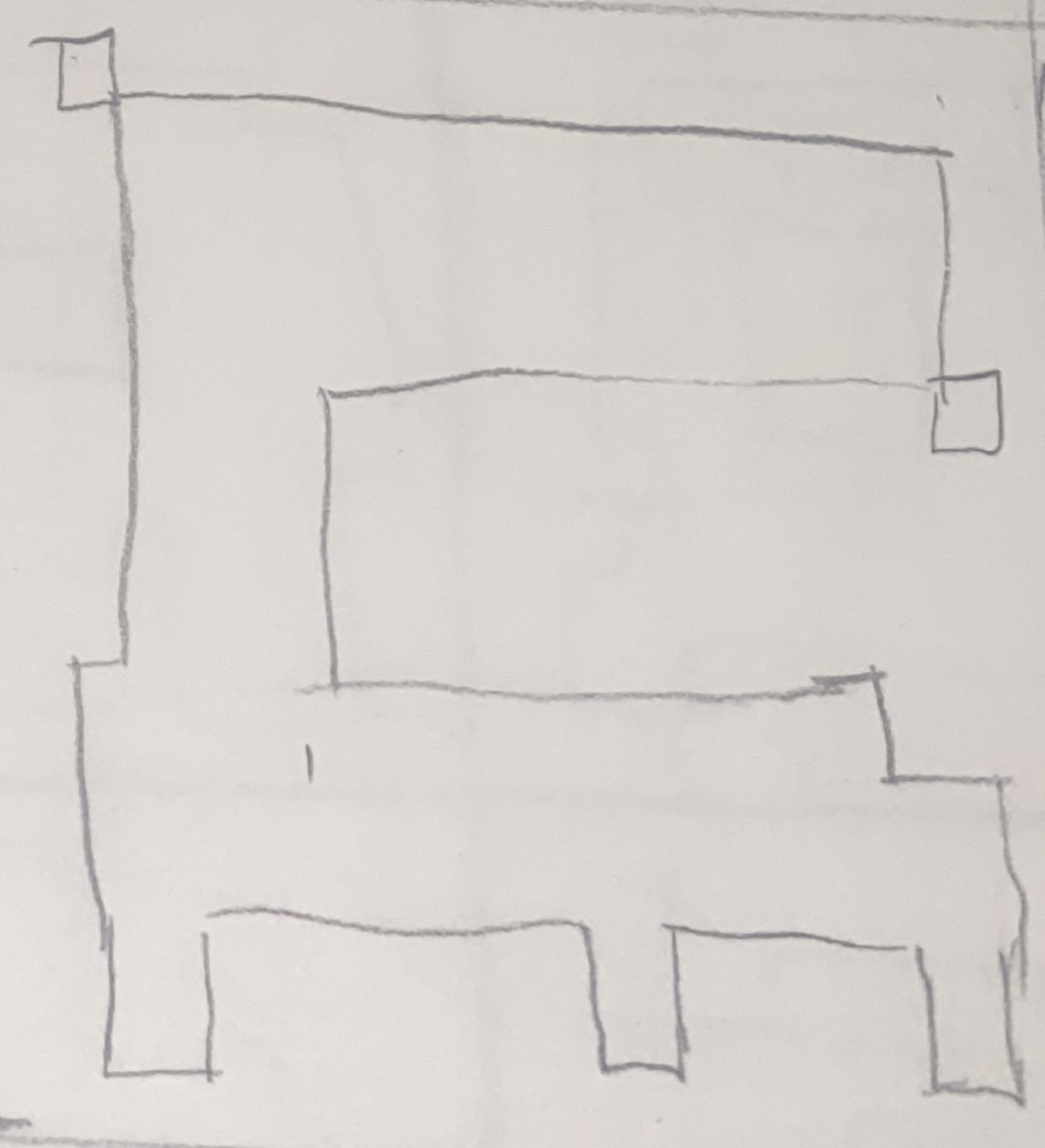
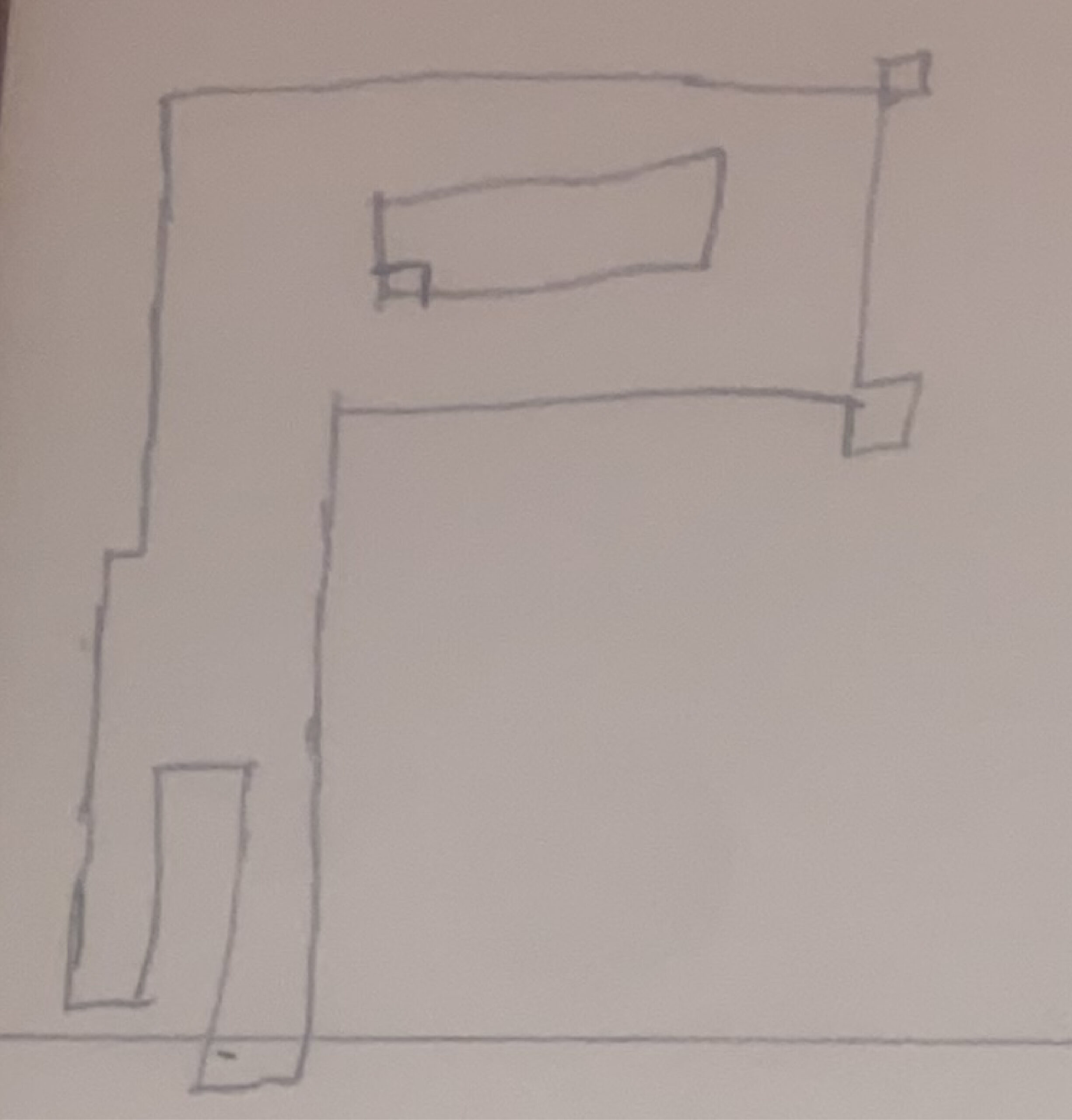
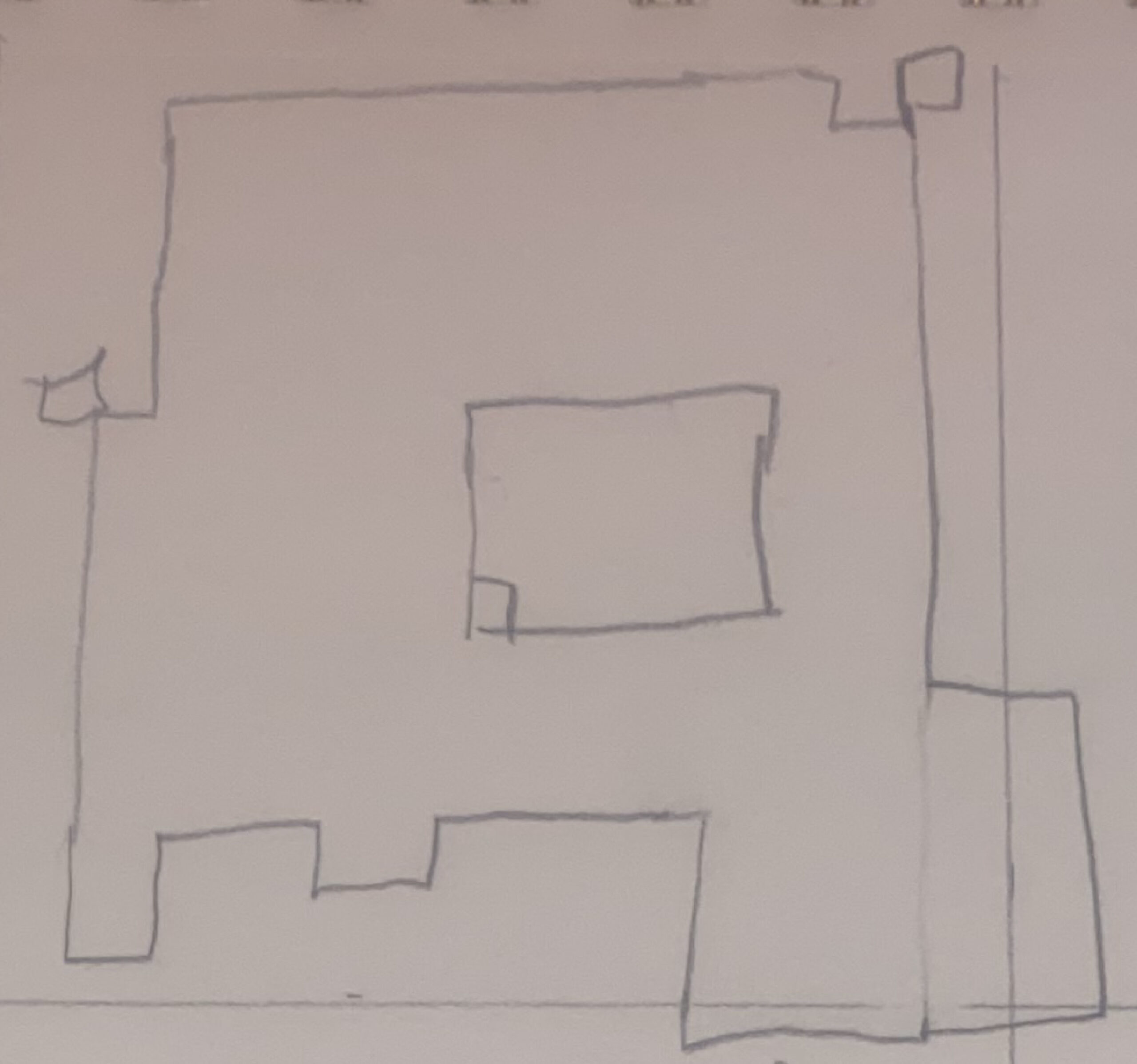
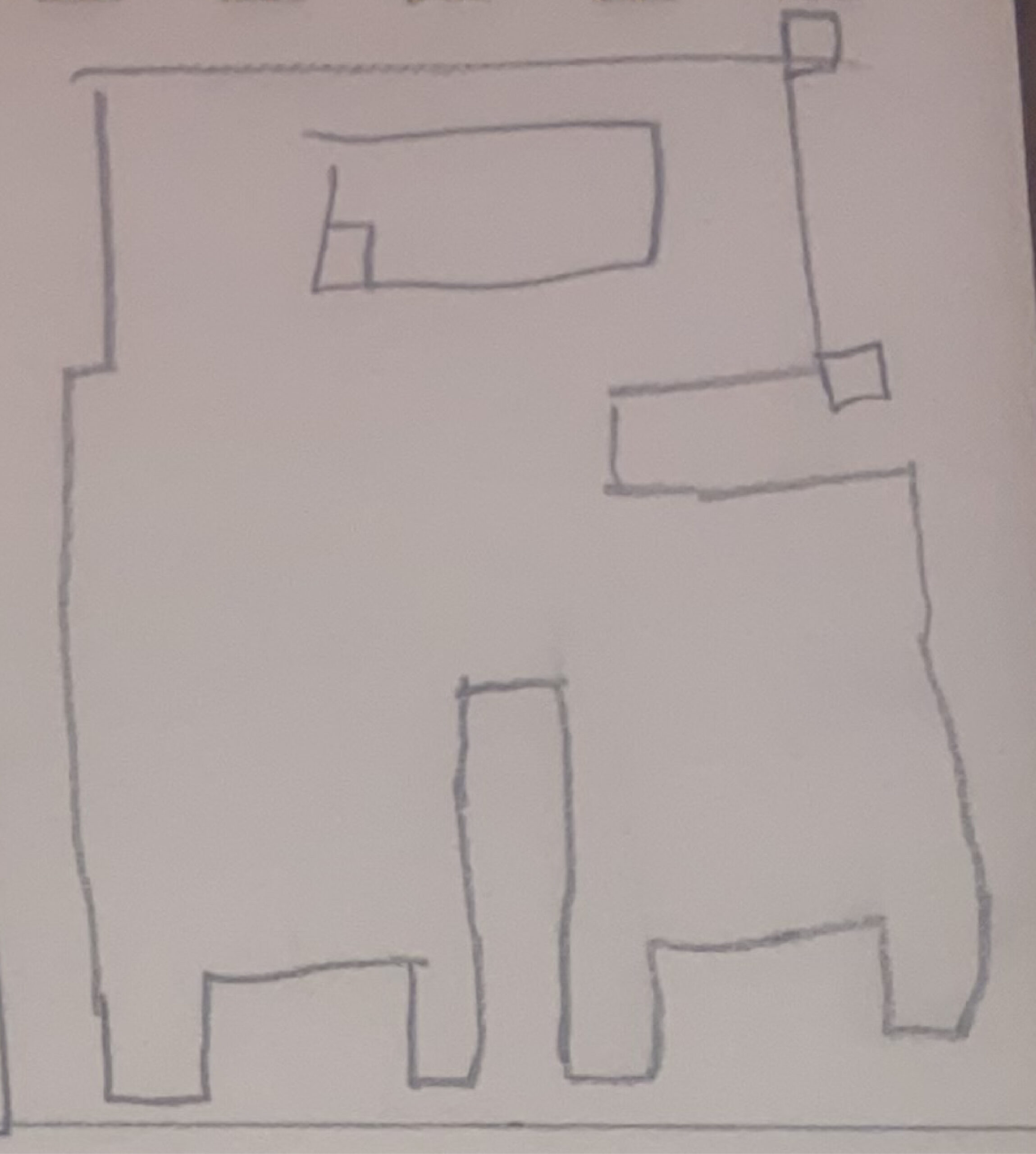
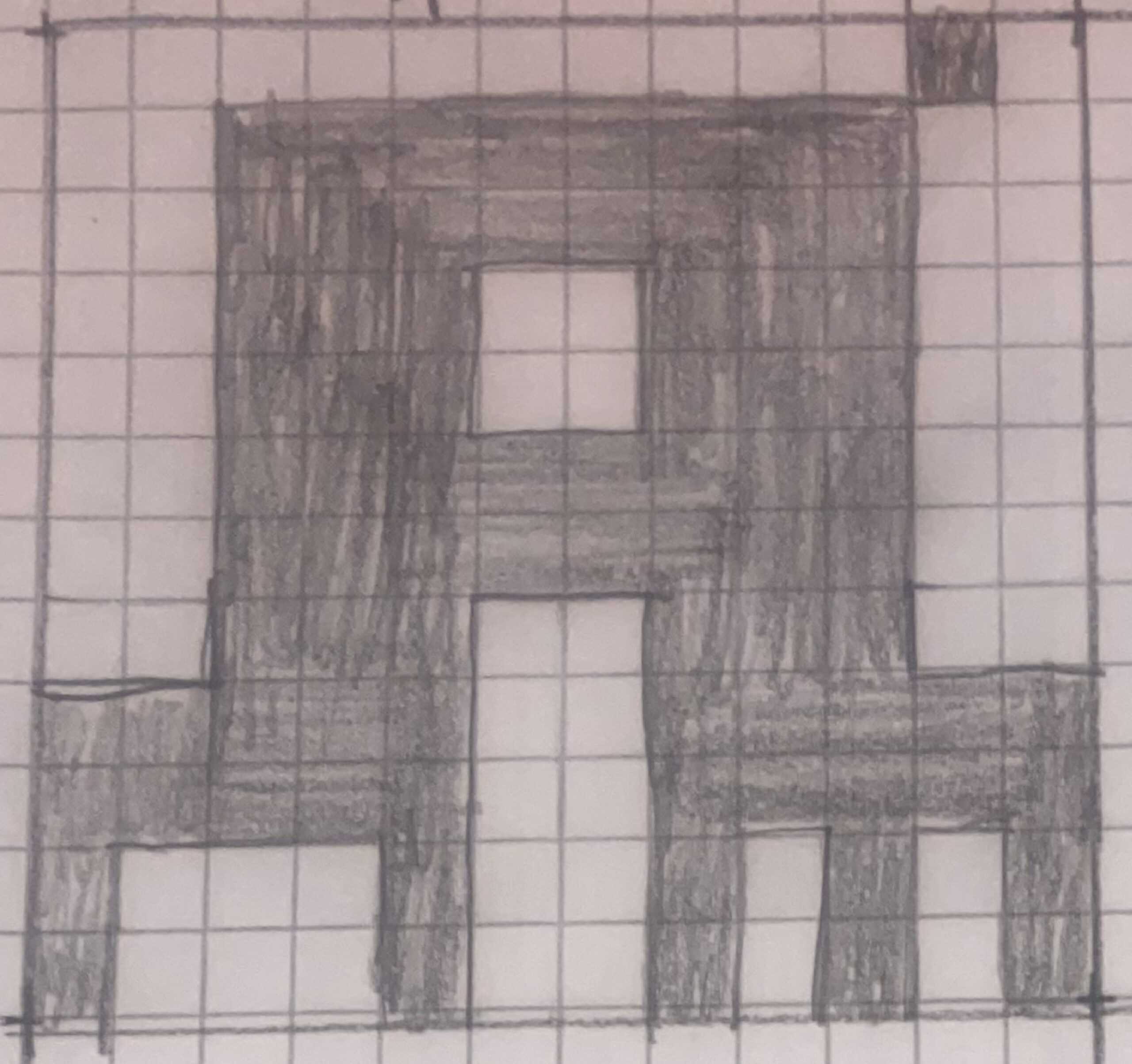
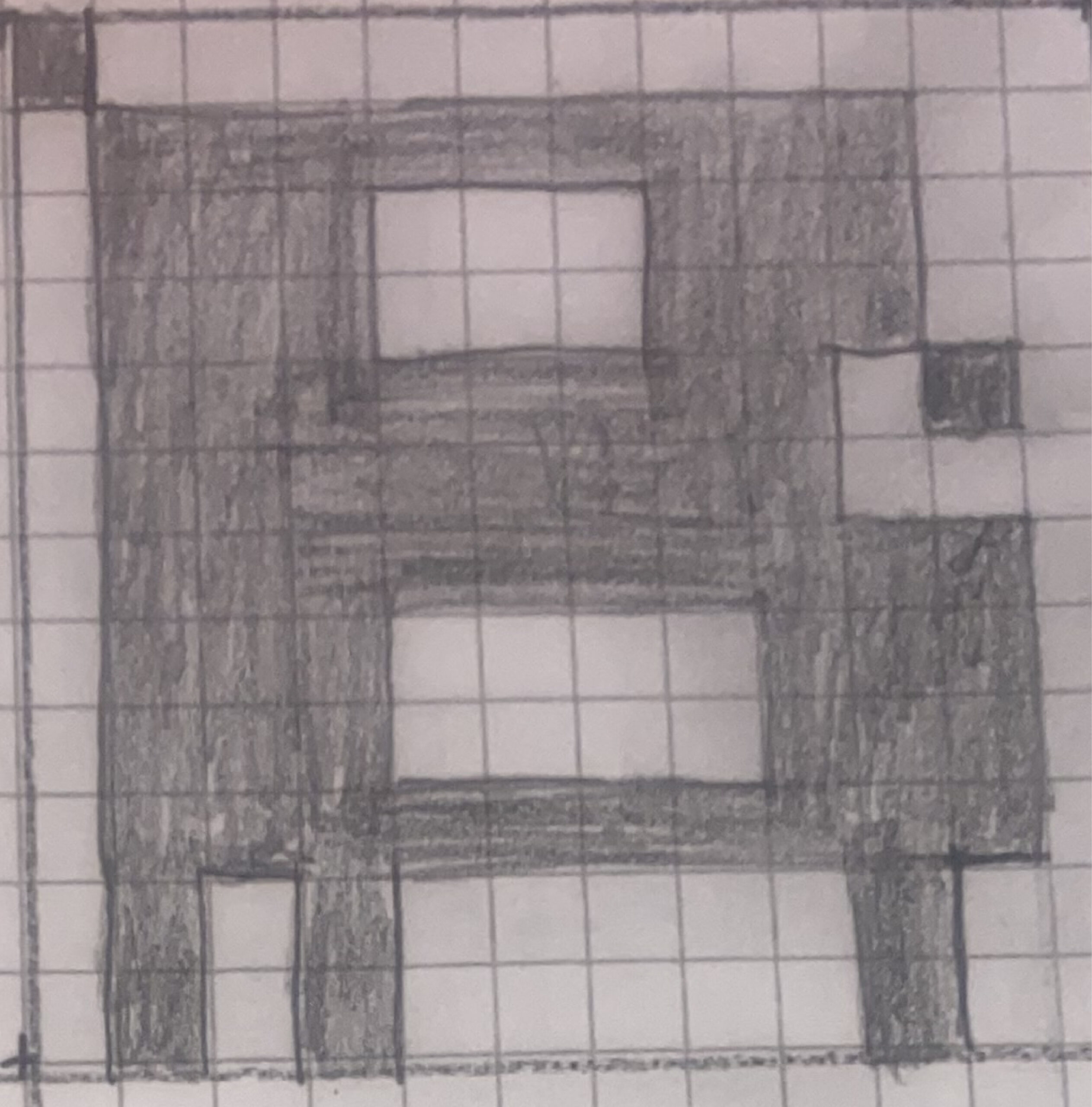
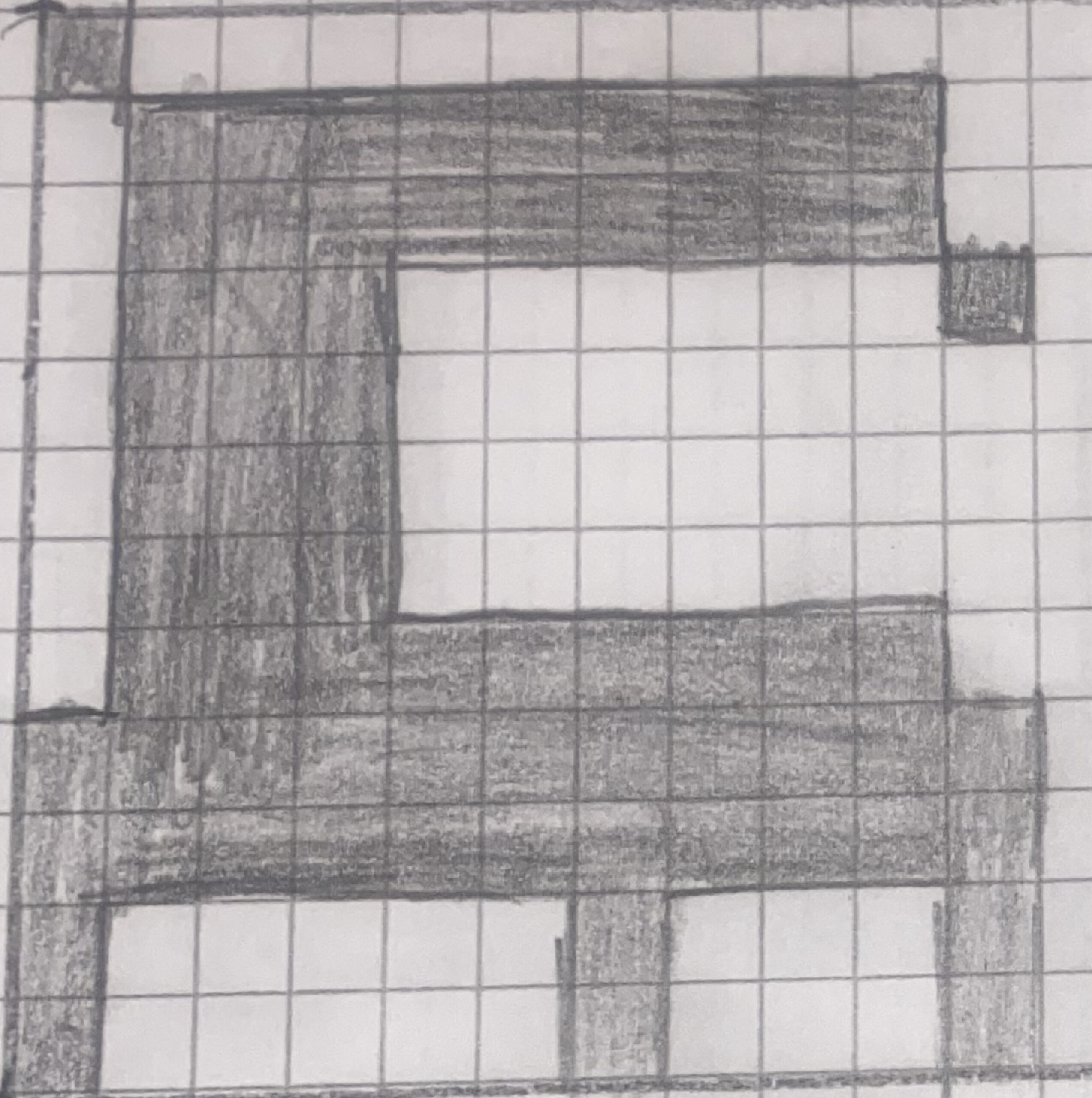
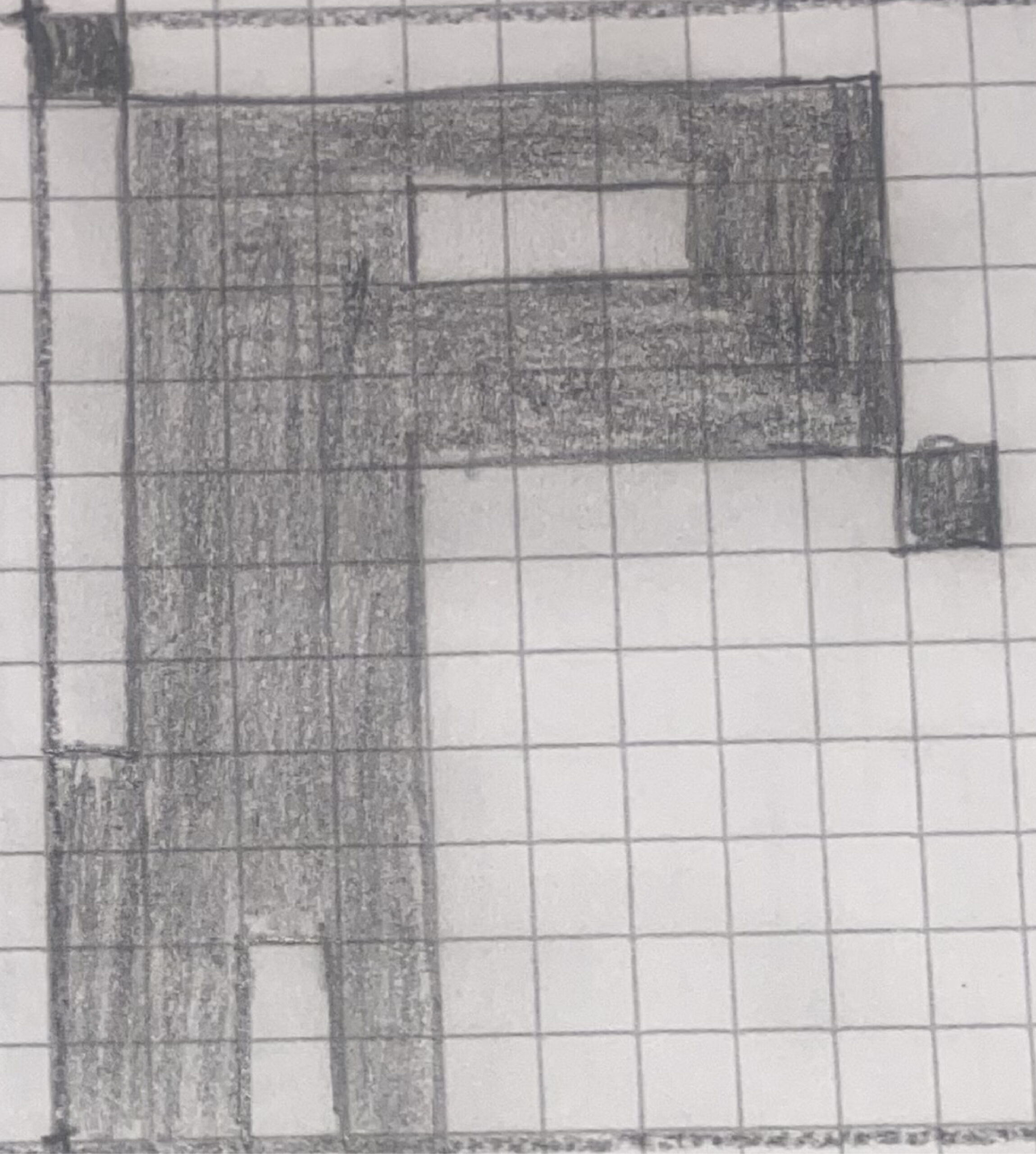
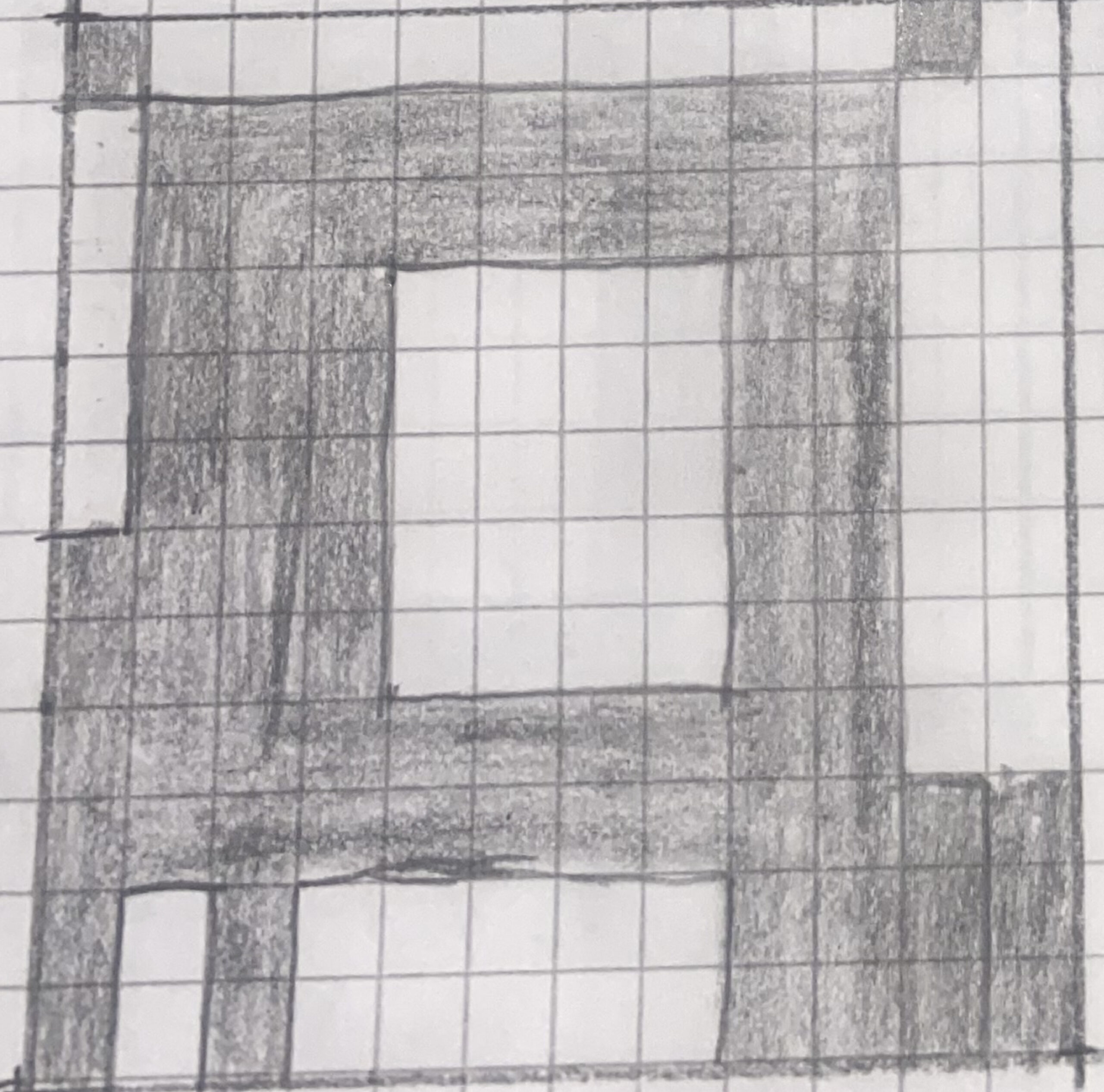
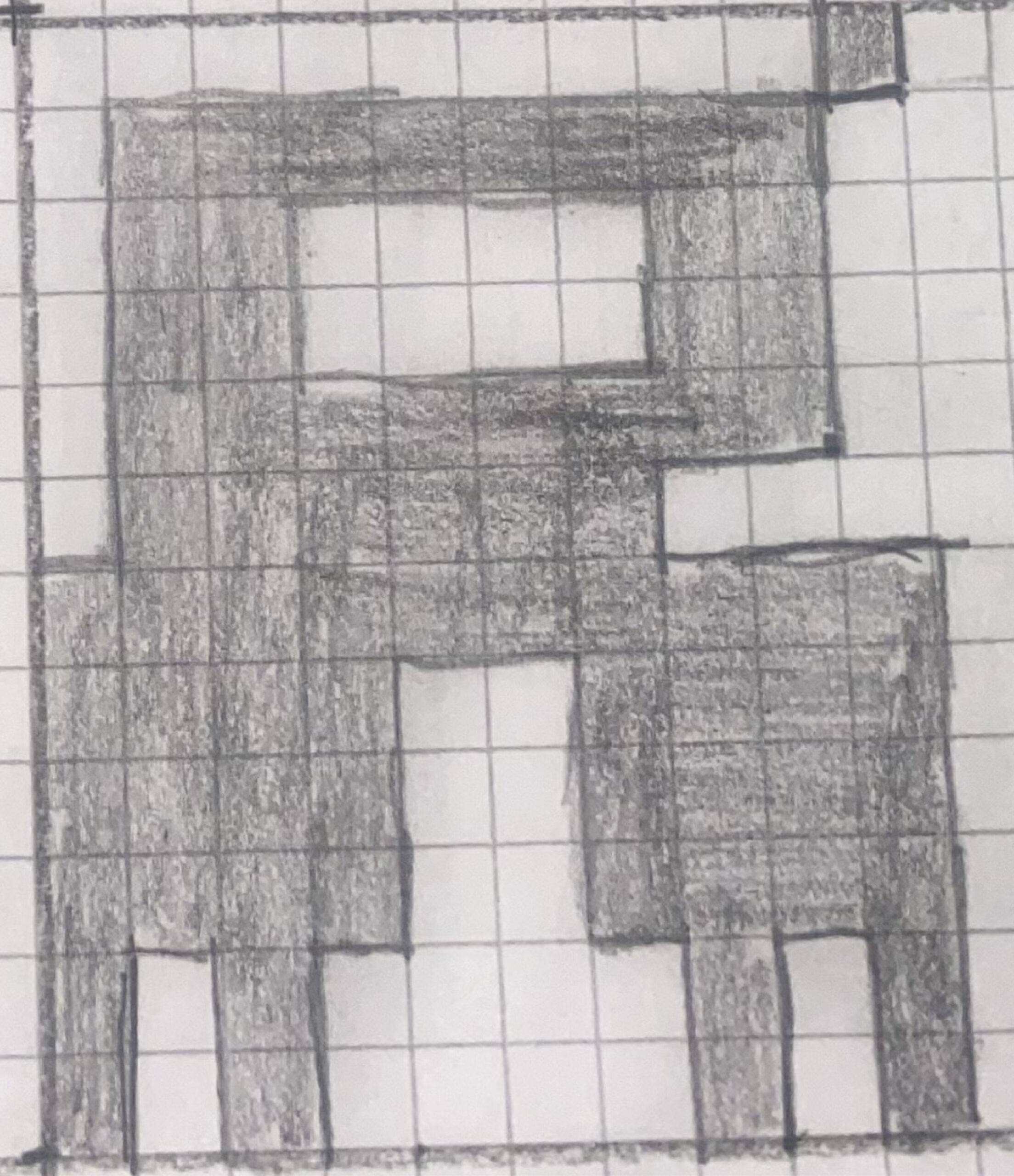
For the uppercase alphabet and the numerals 0-9, I worked in a system that was a 12×12 grid of boxes, and the only option was to leave a box filled in or empty. It was important the letters be very heavy at the bottom, the same way that a mountain or a large tree has a wide base. I chose a concept that used the bottom two boxes for the roots/claws/feet of the plantanimals. For the uppercase they had to have three roots on the left side and one claw on the right side. Then I worked on growing their bodies/branches/mountains/hills up from these roots. I developed the letters ABCPQR for the uppercase alphabet, and then developed the rest of the uppercase alphabet based on these letters. For the lowercase alphabet, the grid was 9×9 squares and they had to have two roots on one the left side and one on the right. The lowercase alphabet and numerals where developed later; using the same system. Then, the typeface was applied to examples that exemplify its connection with nature, whimsy, humor and old school pixilated fun.
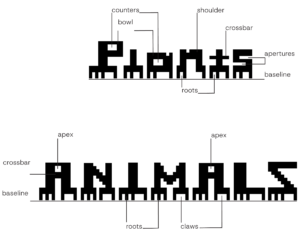
Type Anatomy
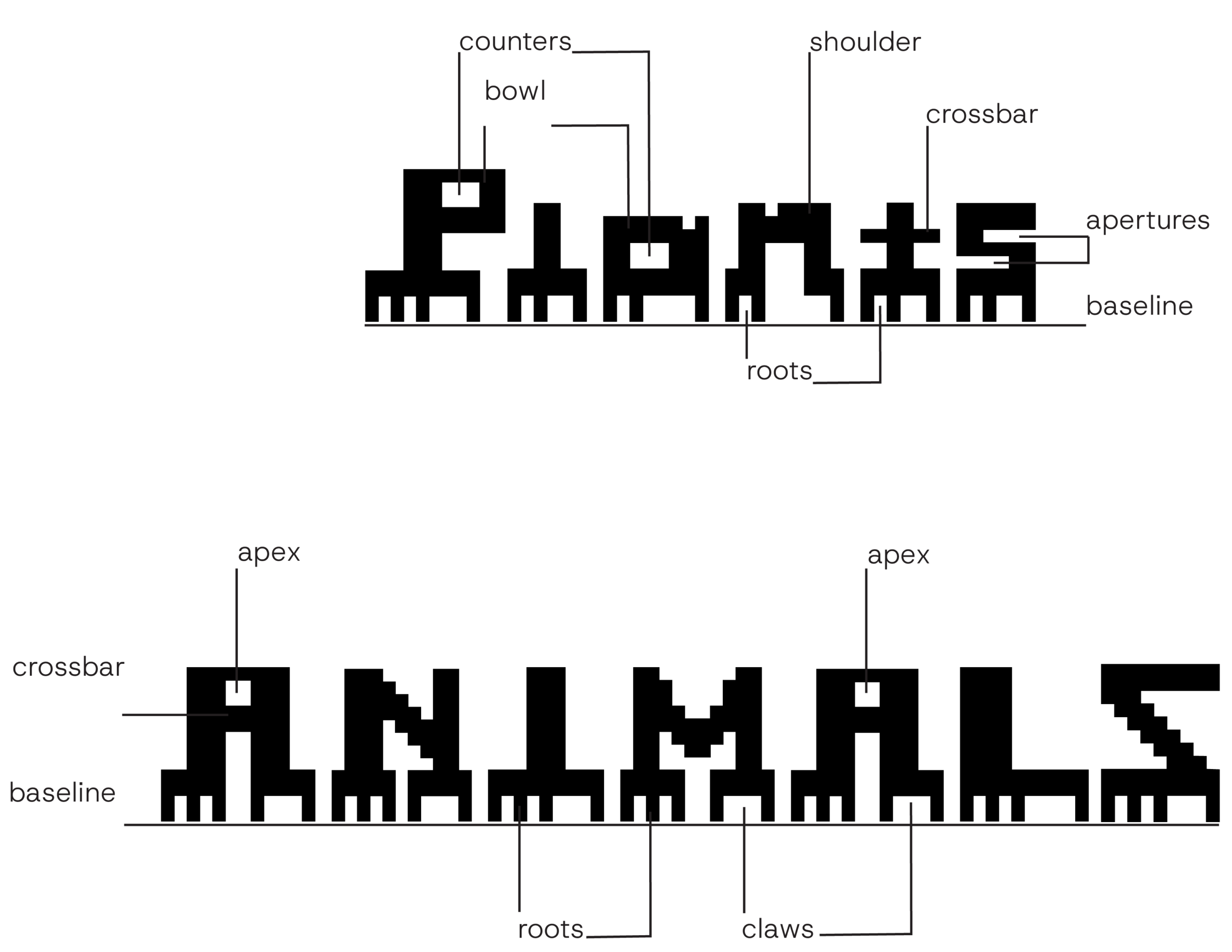
The type anatomy for this new typeface includes the features unique to it, like the plantanimals’ roots and the claws
Backwards Feature
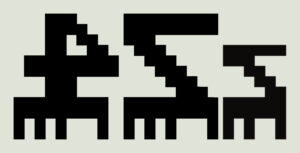
A few of the characters may appear backwards to people who are used to reading typefaces that are based on human systems. To the Plantanimals and Textorganisms, these are not backwards characters, just the way that they look. The users of the typeface are encouraged to change the letters direction and orientation in experimental ways. Besides, for letters like W and H the only way to tell if they are backwards is to look at their roots and claws.
Pairing Guidelines
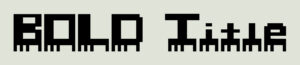
Many Sans Serif typefaces are appropriate to pair with Plantanimal Textorganisms. Because it is an unconventional typeface, it is recommended that it only be paired with sans serif fonts that are clear and easy to read. It is important to let Plantanimal Textorganisms stand out, to be the main embellishment, and to pop in any way that it is used. The paired sans serif font serves to frame Plantanimals Textorganisms so that it stands out. It is a great typeface for your bold titles, followed by a simple sans serif body type.
Typeface Evolving
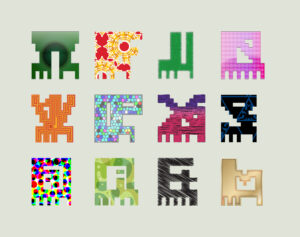
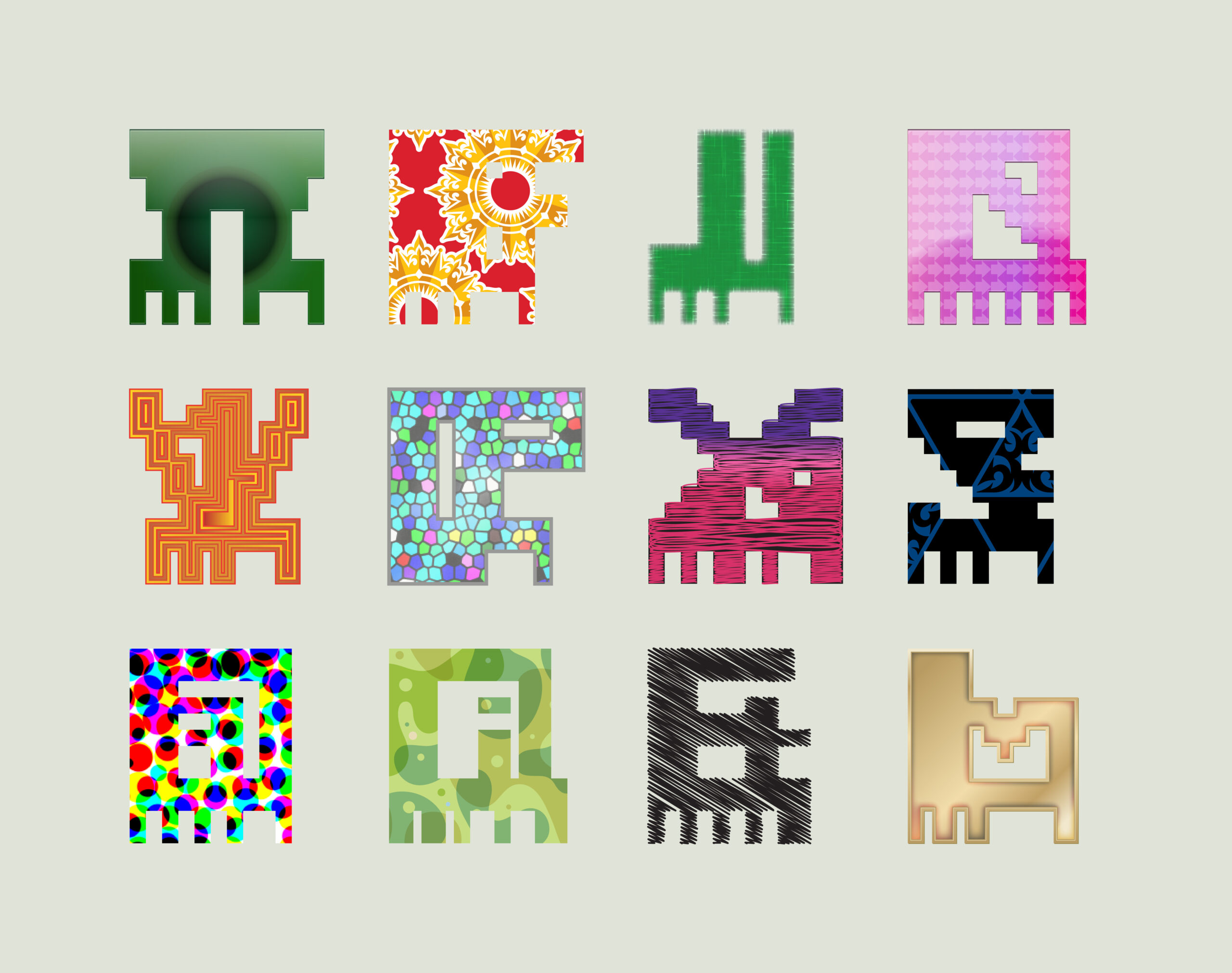
As the plantanimals and textorganisms continue to evolve, they have created new letters. Though typographic geneticists are worried that the plantanimals will eventually mutate into just solid 12×12 black blocks, some of these interesting new letters have recently been spotted in the plantanimals herds and groves. Some of them look like they could be logos. The plantanimals are designing naturally in the wild.
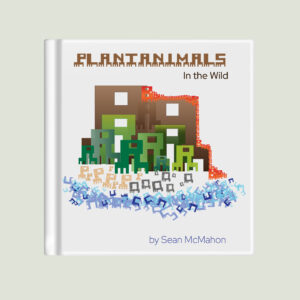
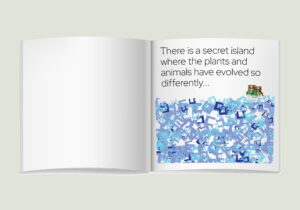
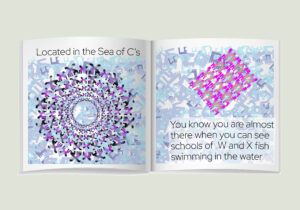
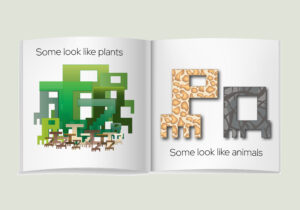
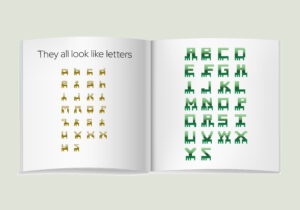
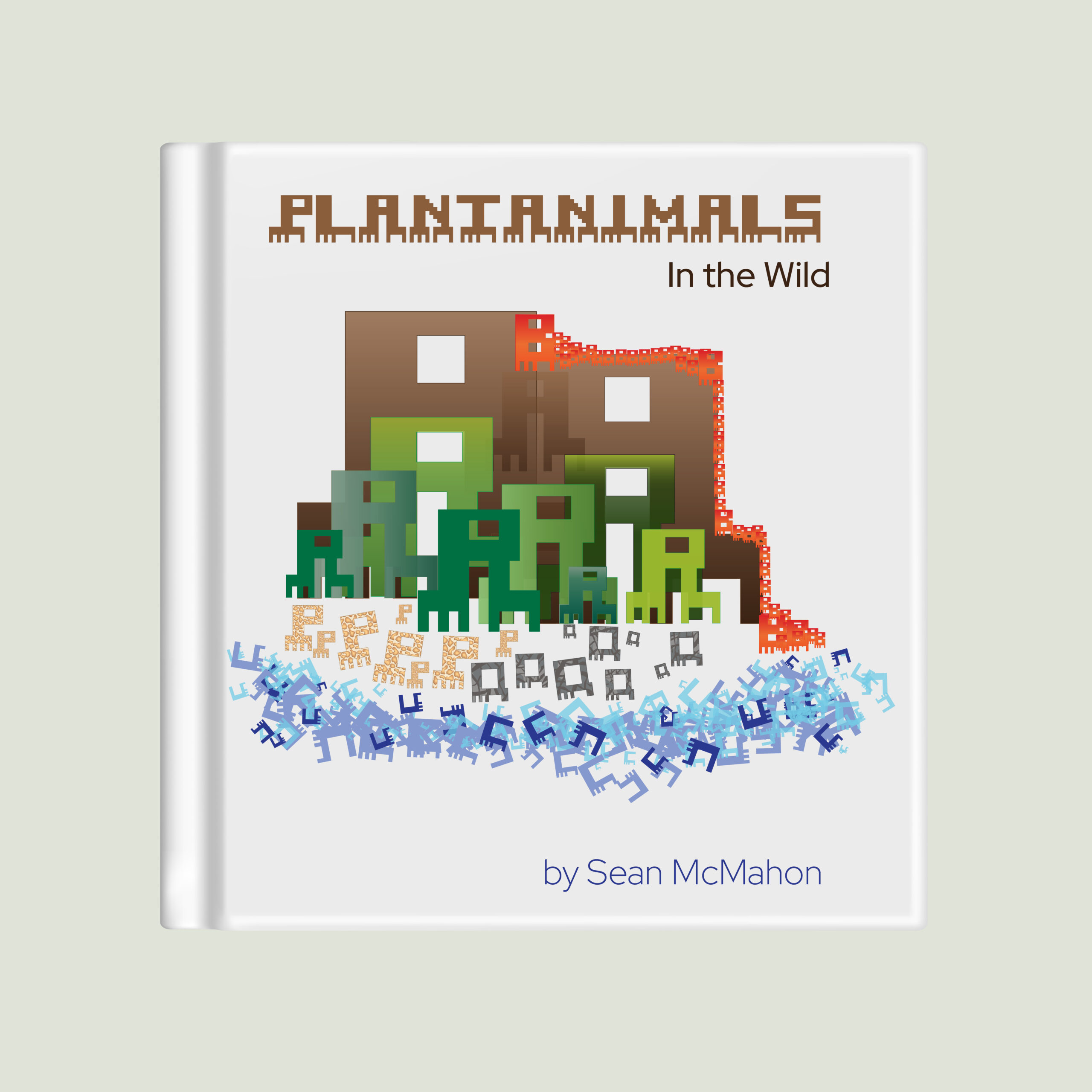
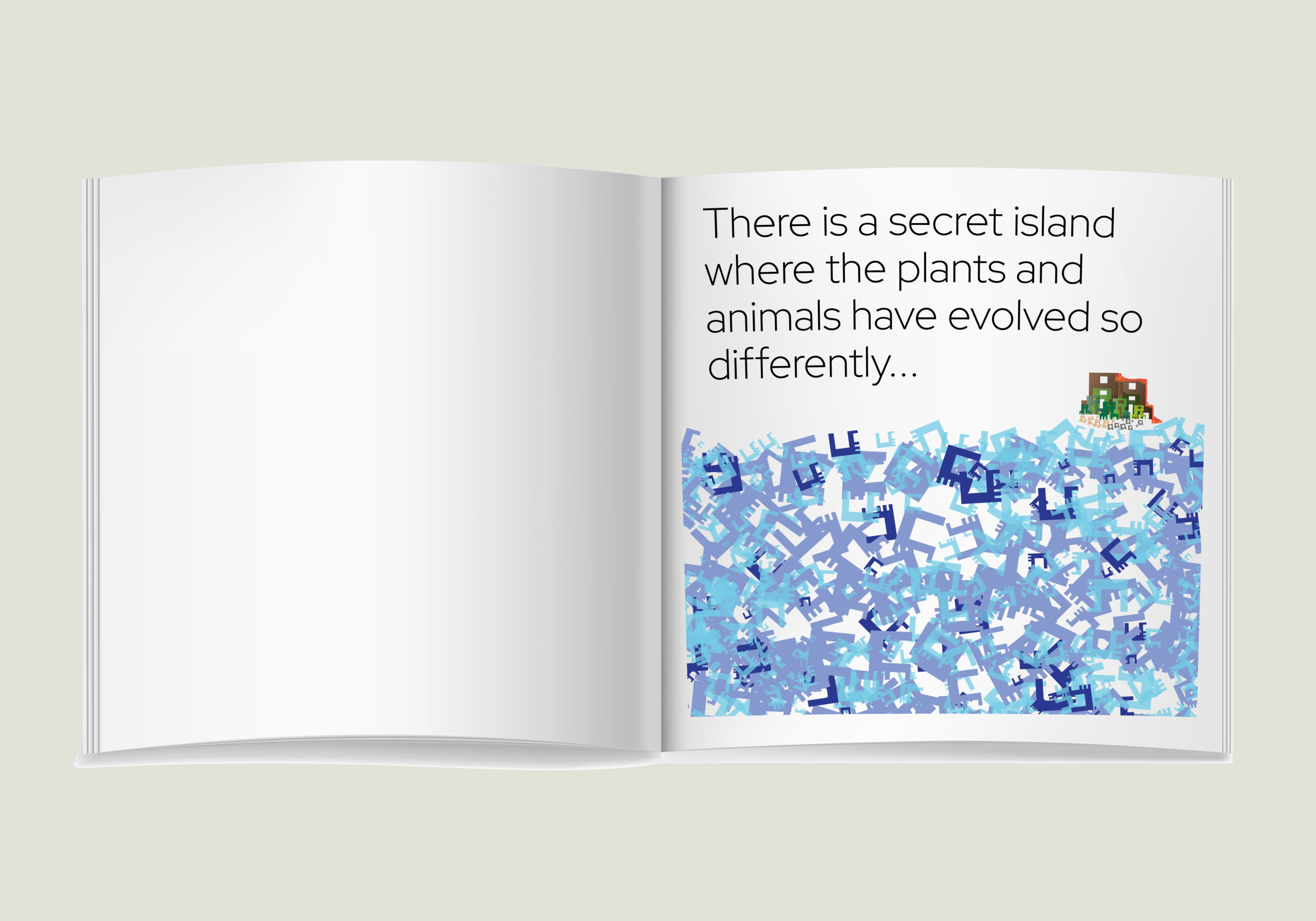
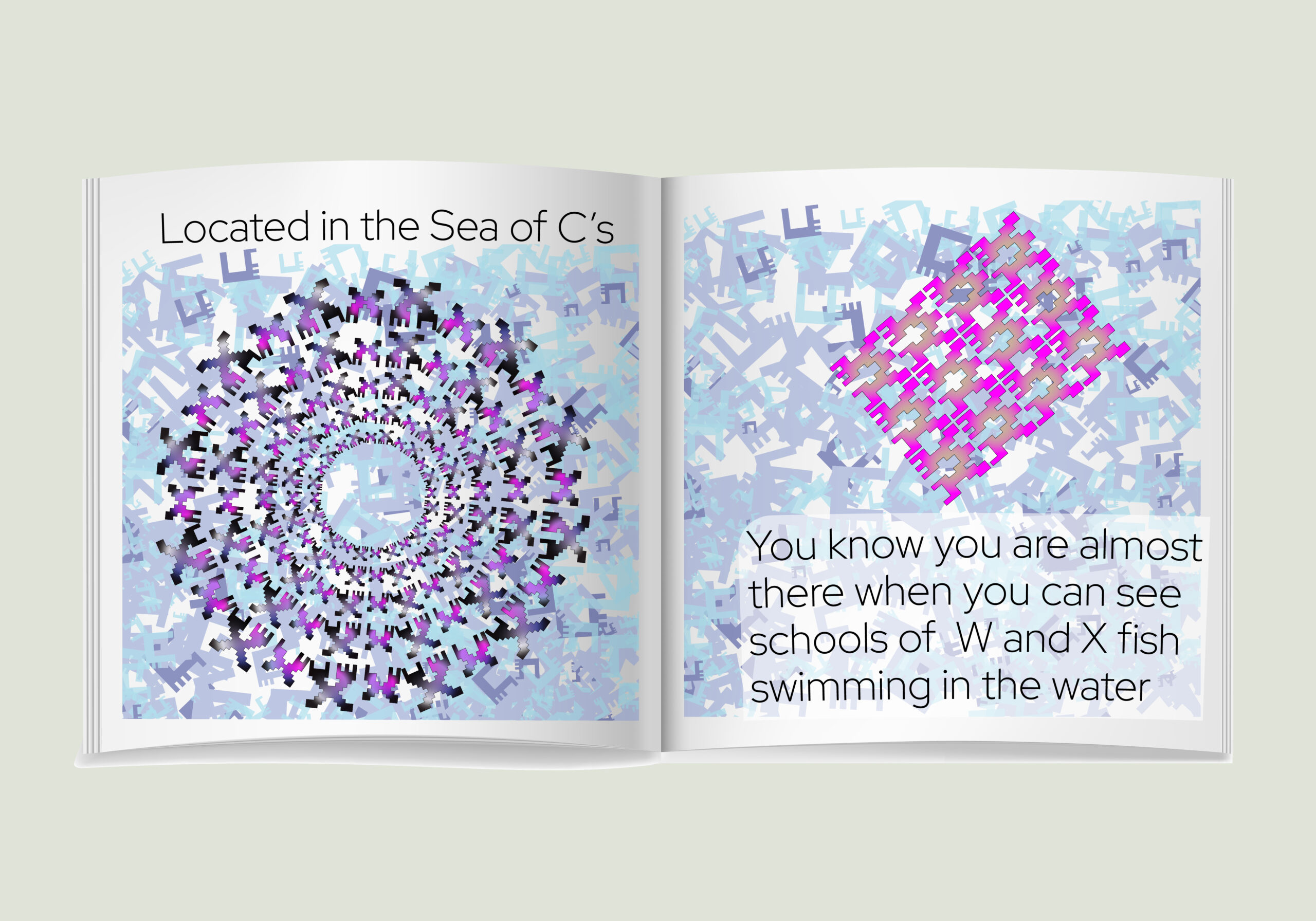
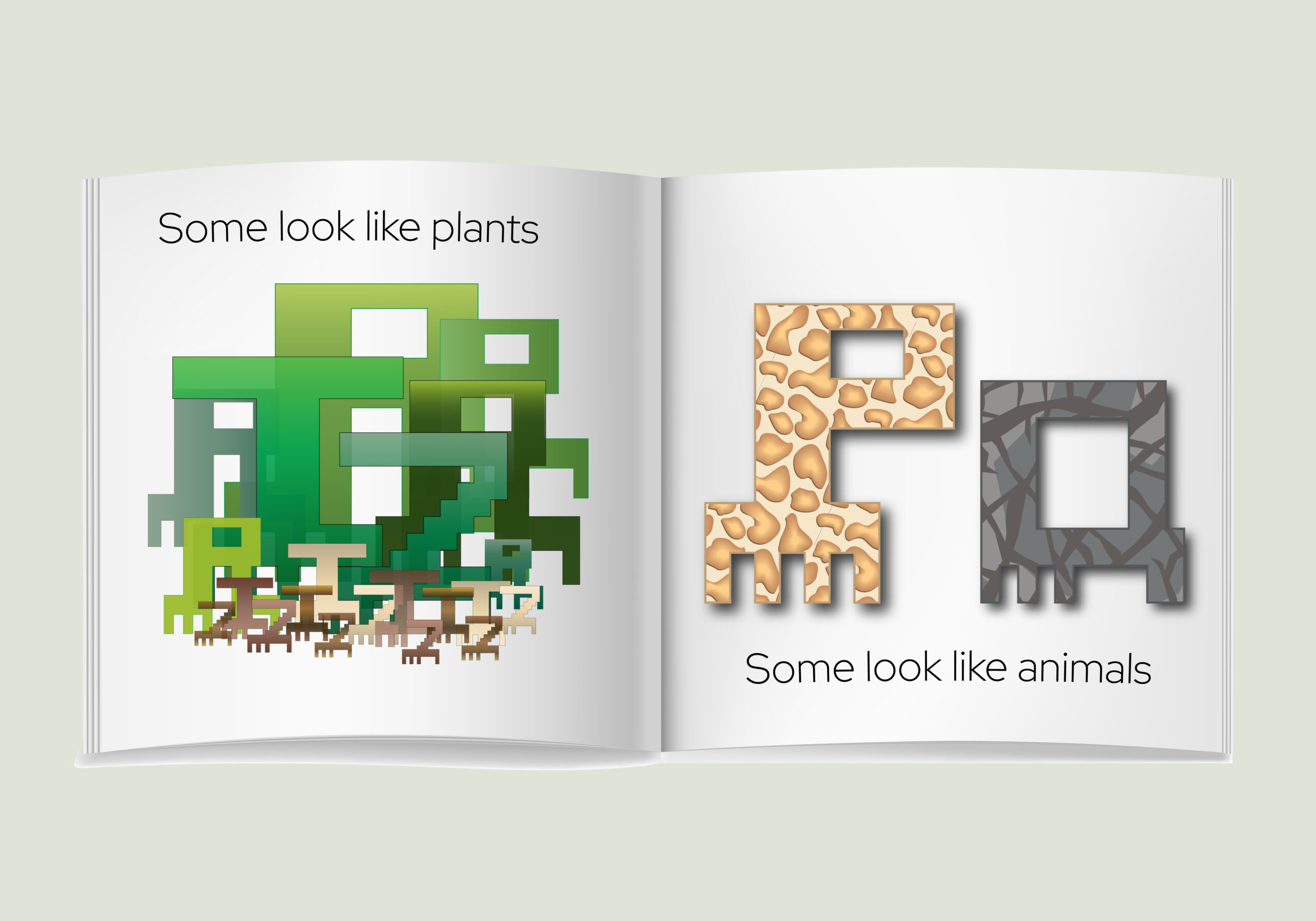
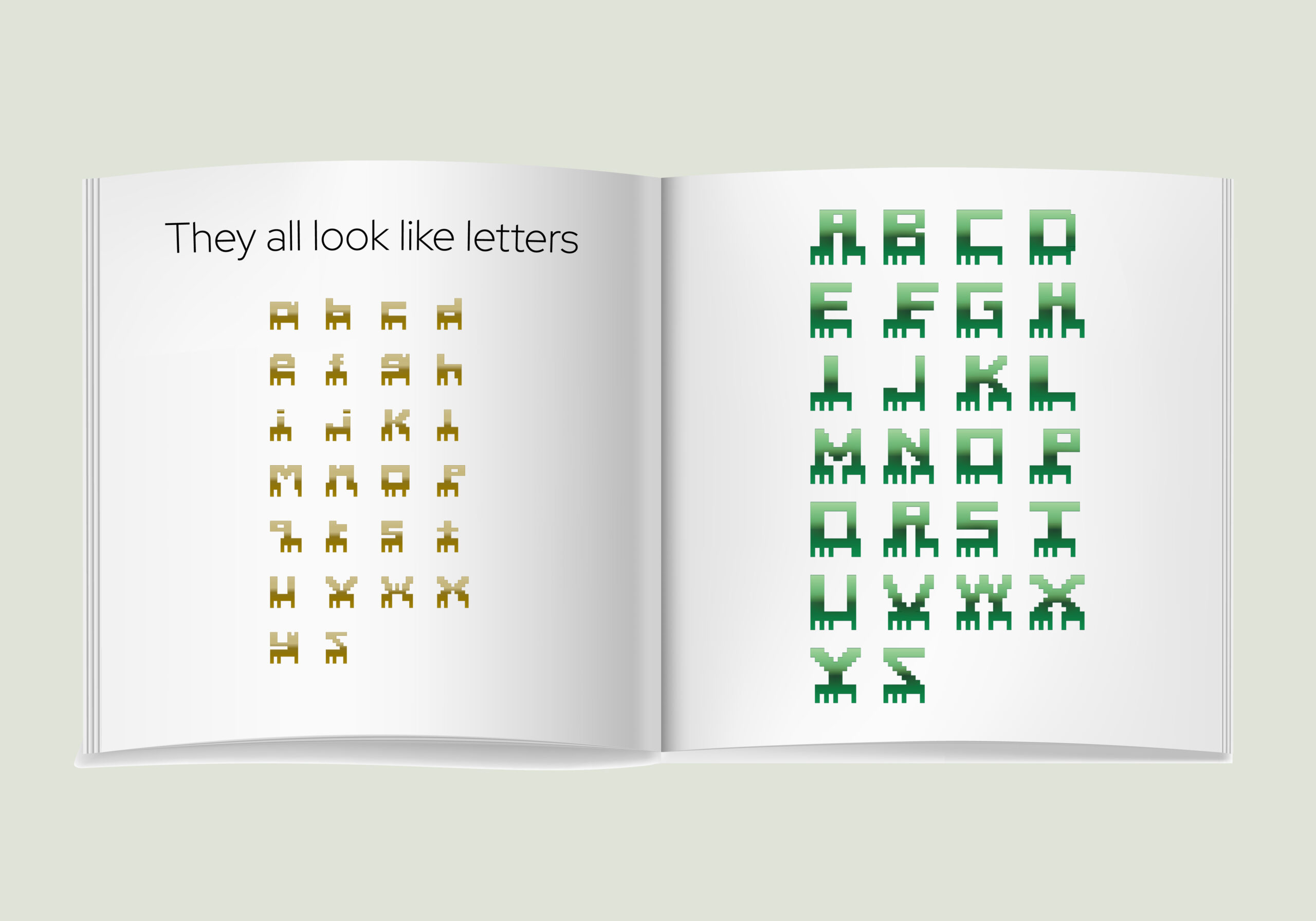
Childrens Book, Plantanimal Textorganisms in the Wild
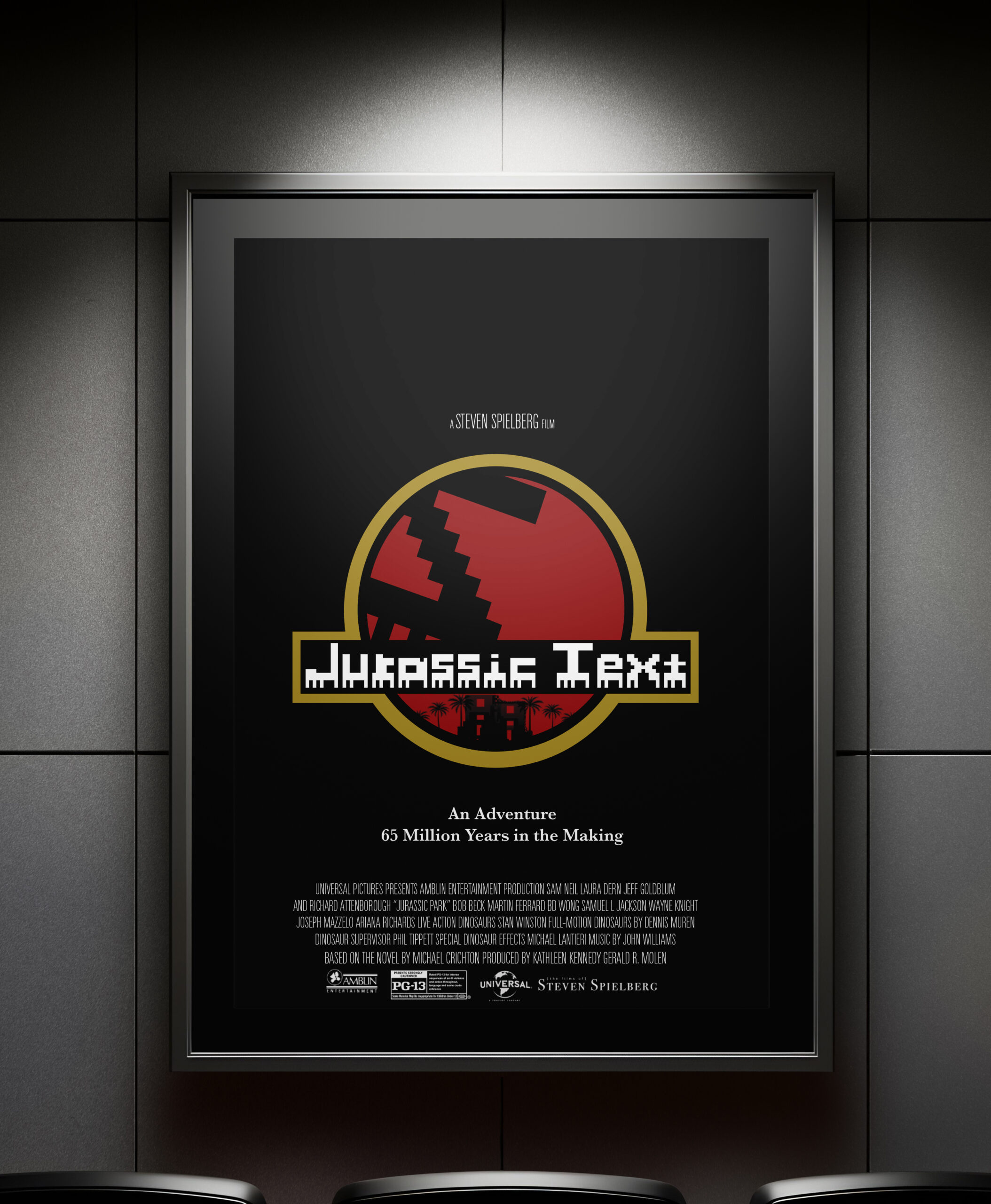
Jurassic Text Movie Poster
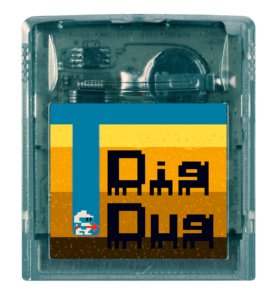
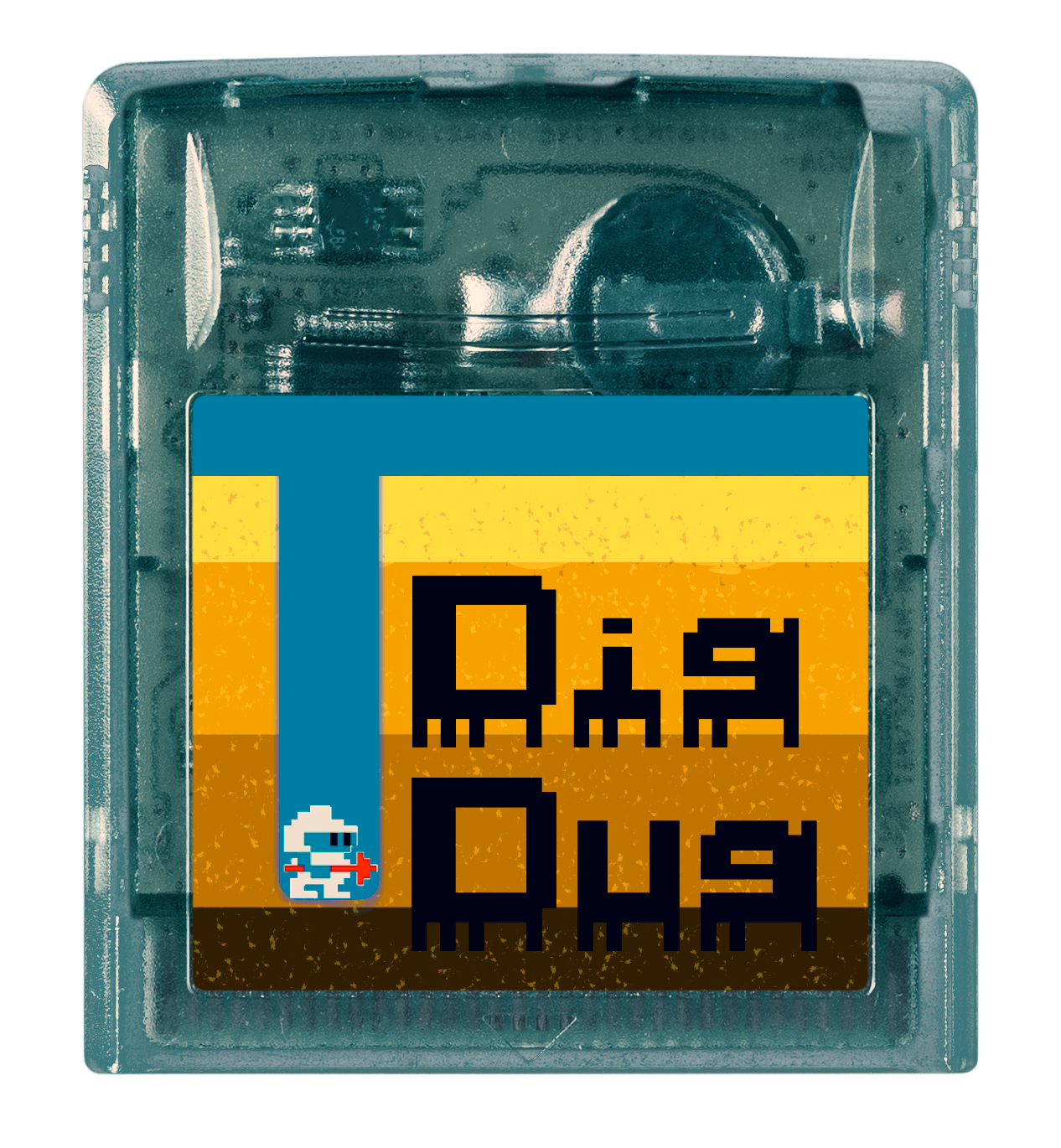
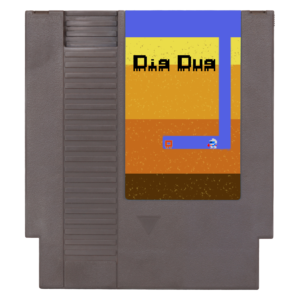
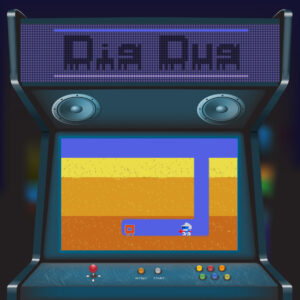
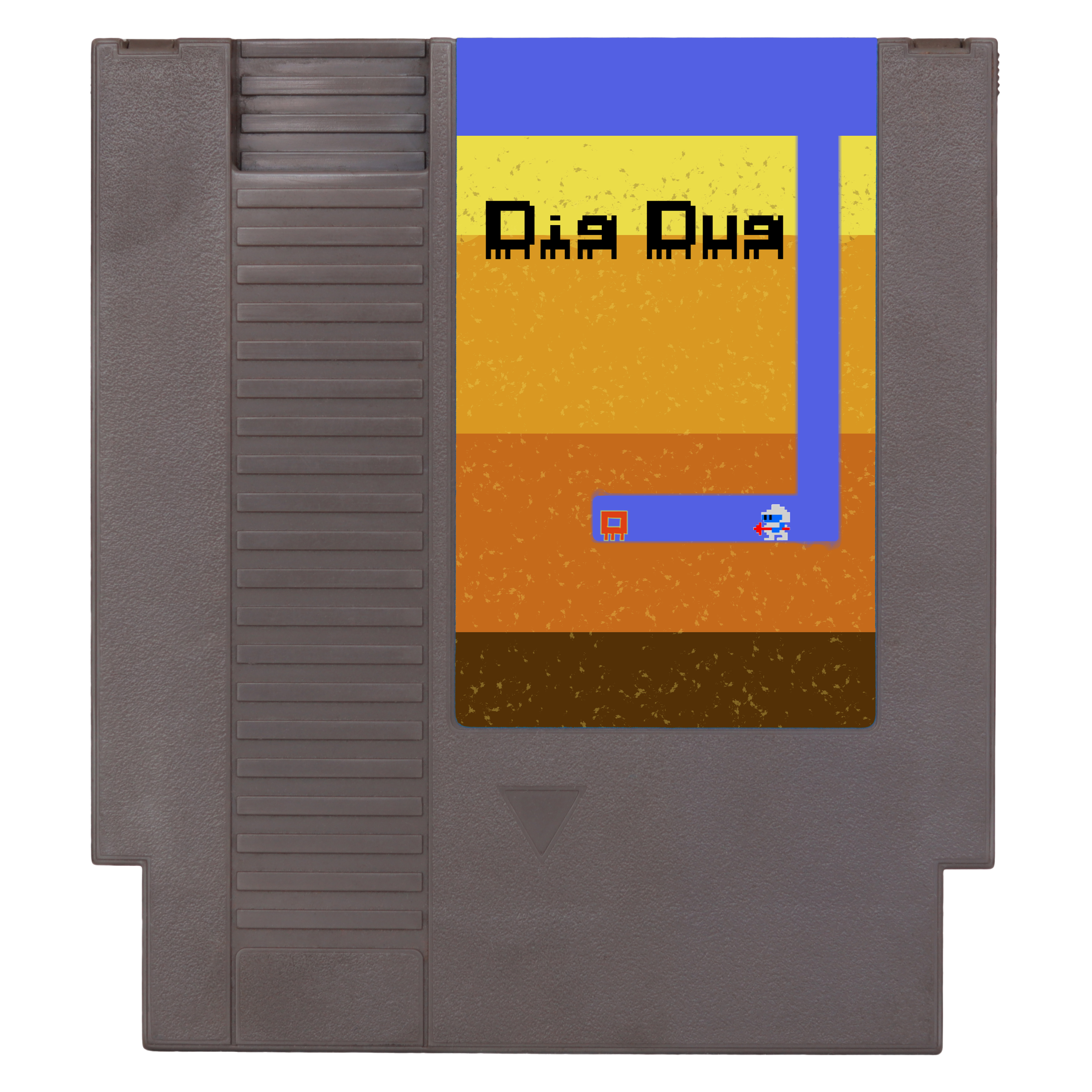
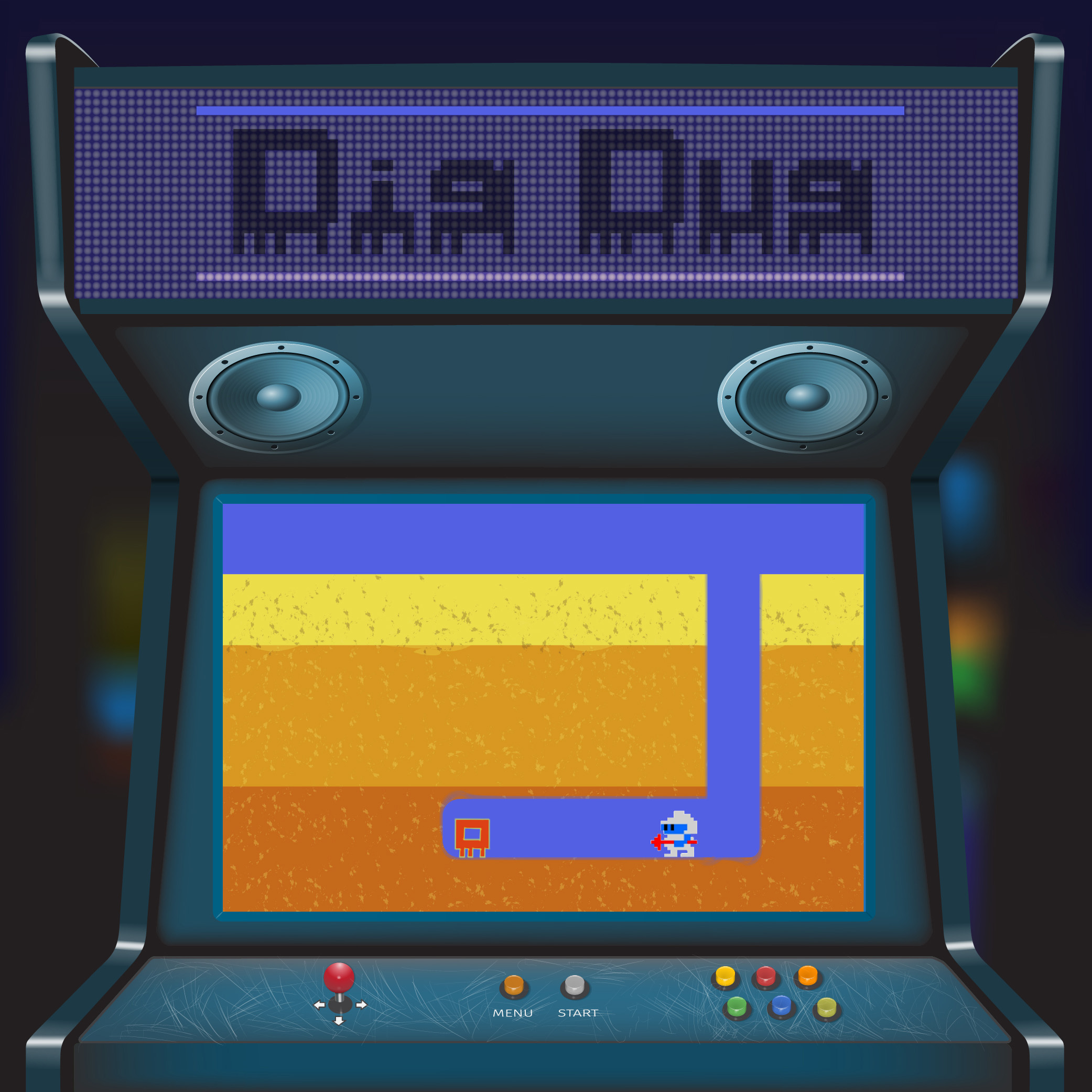
Dig Dug Video Game



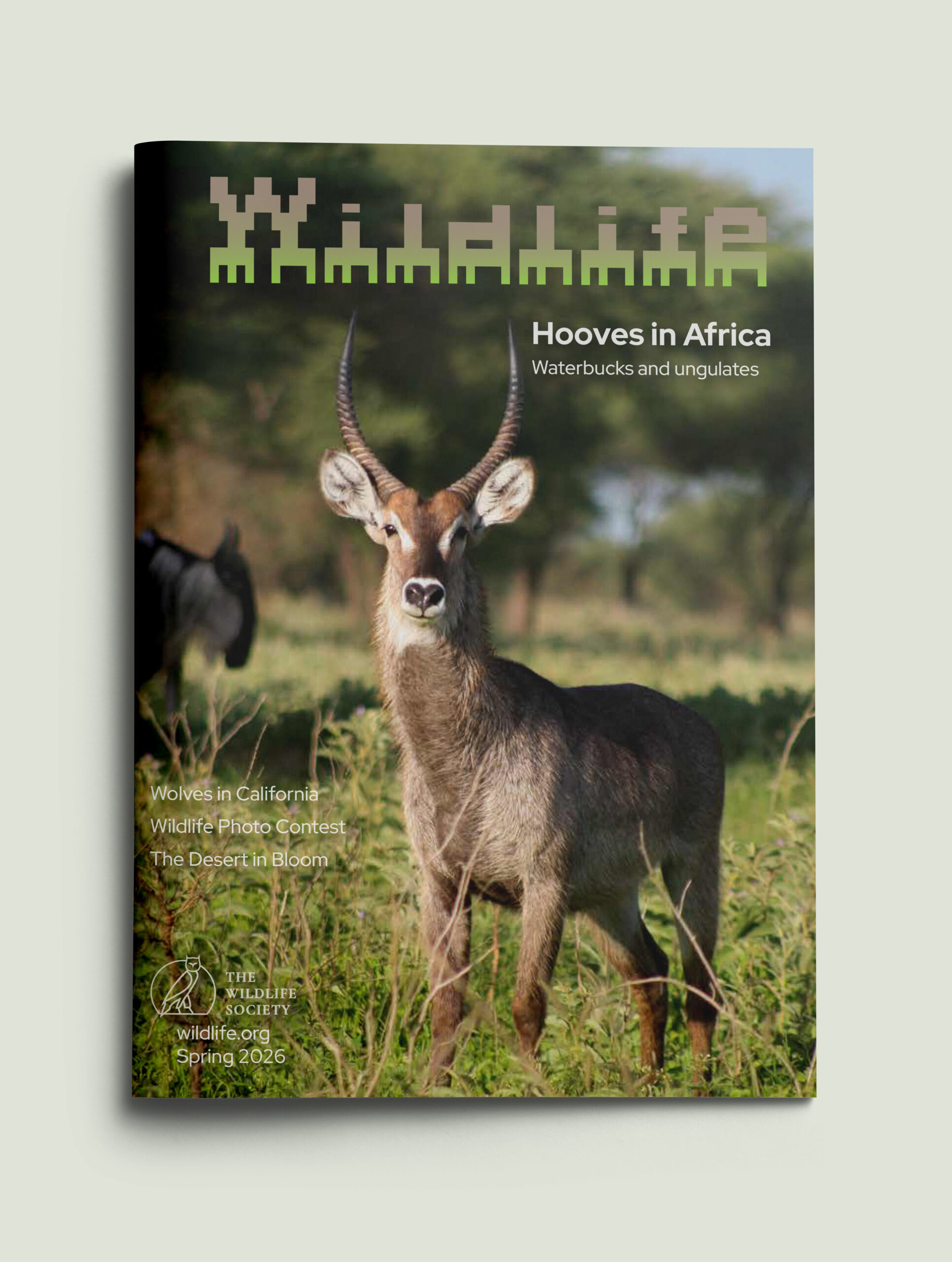
Wildlife Magazine
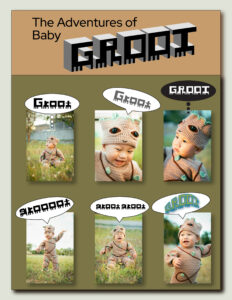
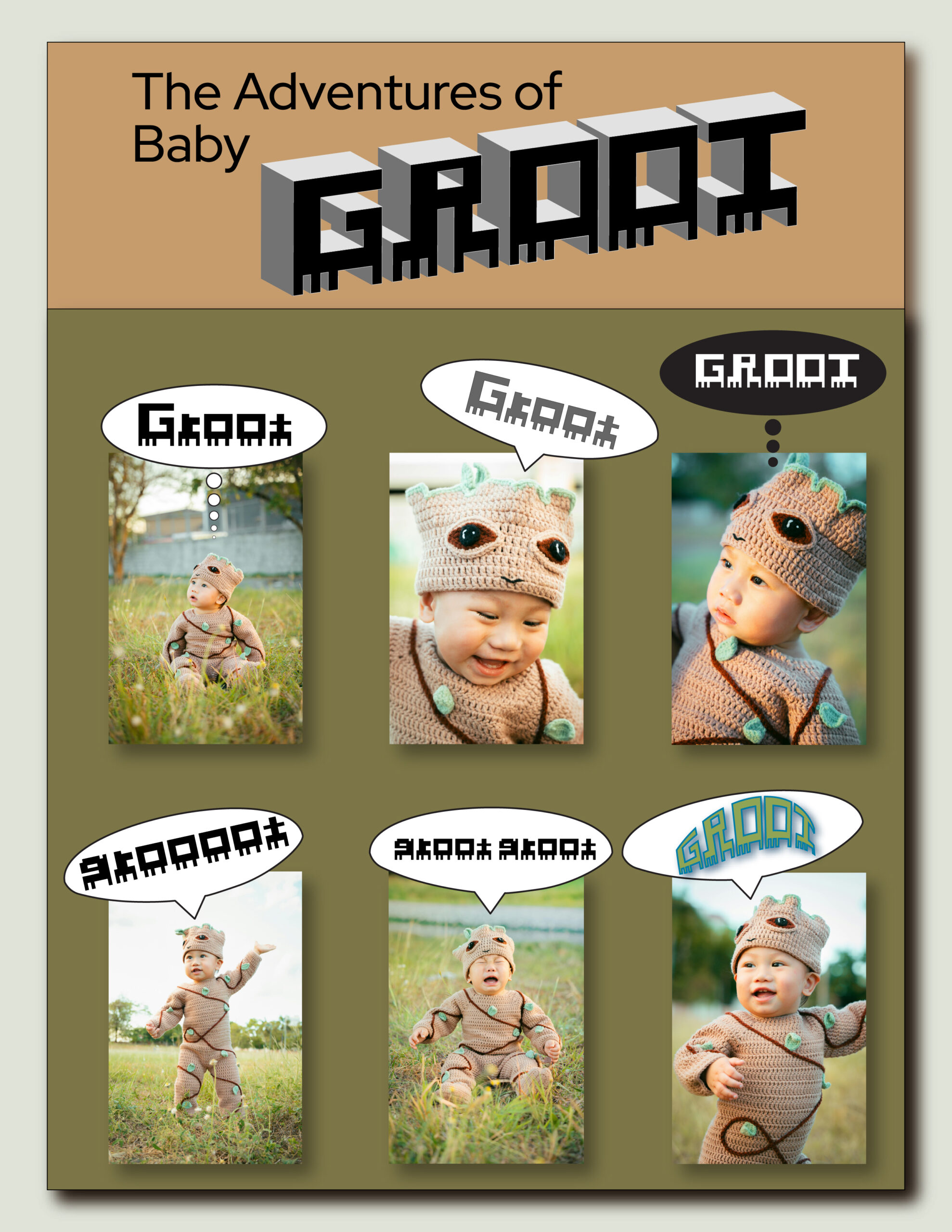
Baby Groot Comic
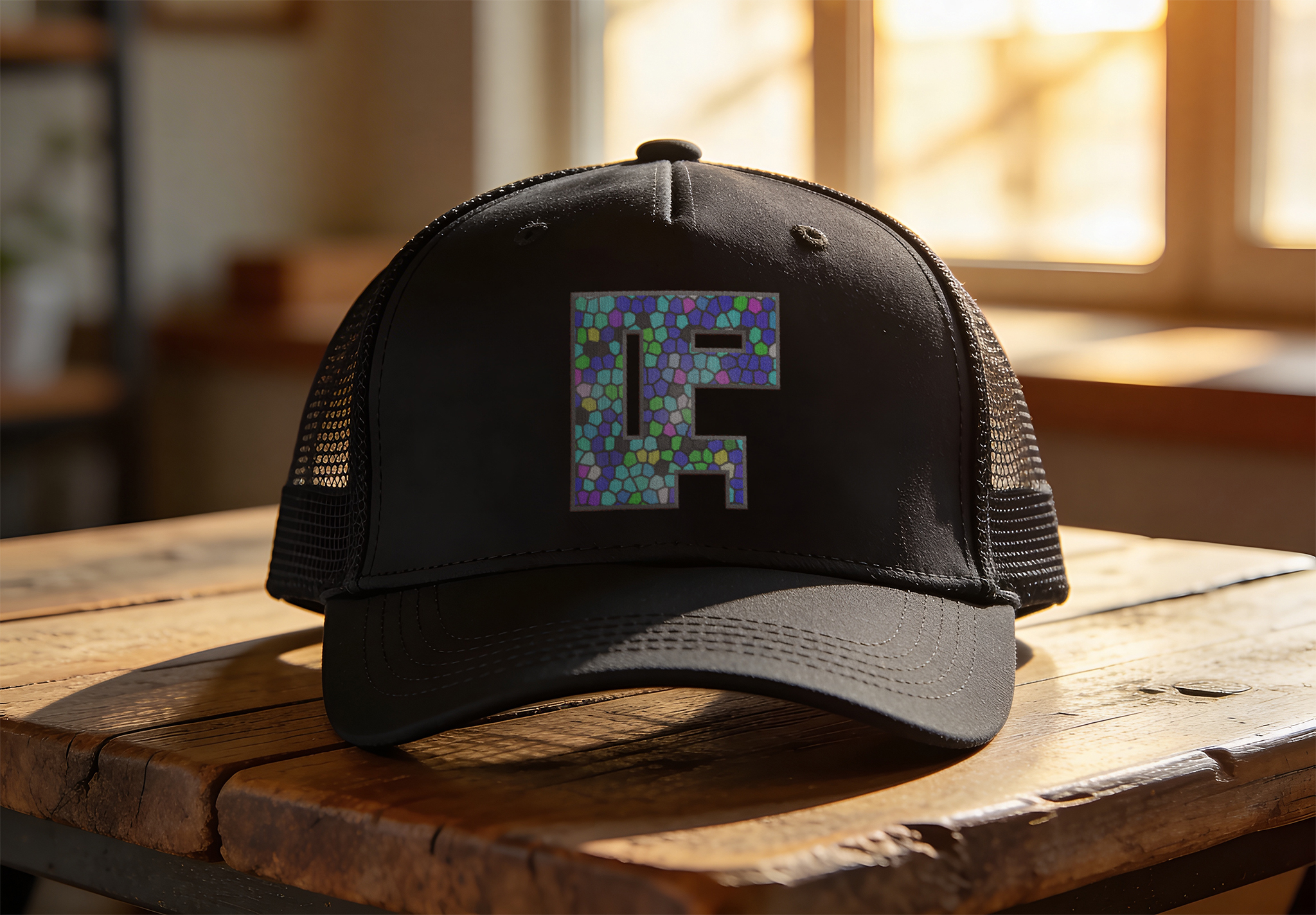
Plantanimals Hat